Elena Kudryashova: How We Replaced a Damaged Tooth in a Teenager with His Own Wisdom Tooth
- Specialty: Oral and Maxillofacial Surgeon
- Work experience: 12 years
- Patients: Adults and children
- Languages: Russian • English
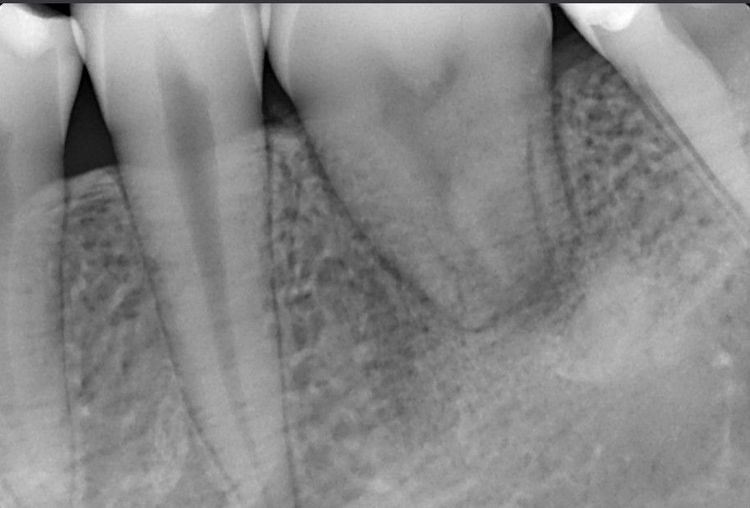
A 16-year-old patient came to us with a severely damaged molar. The tooth had been treated before, but inflammation around the root continued to progress, and saving the tooth was no longer possible - it had to be removed.
Dental implants are generally not recommended at such a young age, and waiting several years without restoring the missing tooth is not an option - neighboring teeth can shift, and the bite can change.
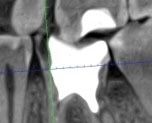
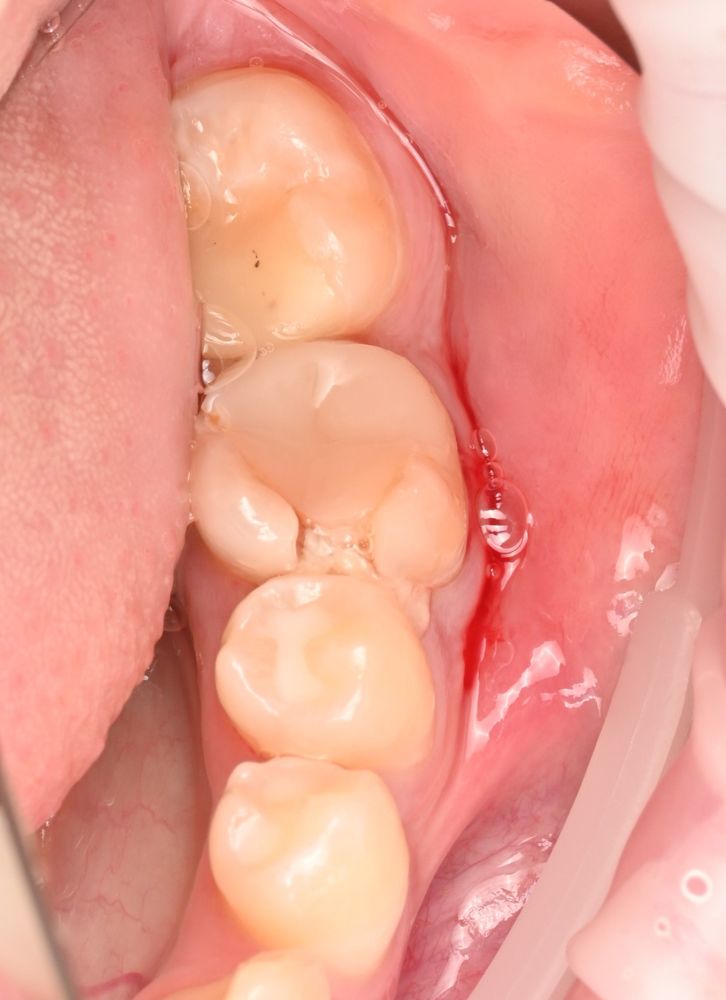
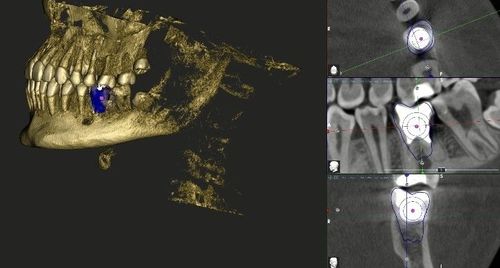
We identified a developing wisdom tooth that was suitable for transplantation into the extraction site. Using digital planning, we prepared the tooth movement virtually and 3D-printed a guide to shape the socket with maximum accuracy.
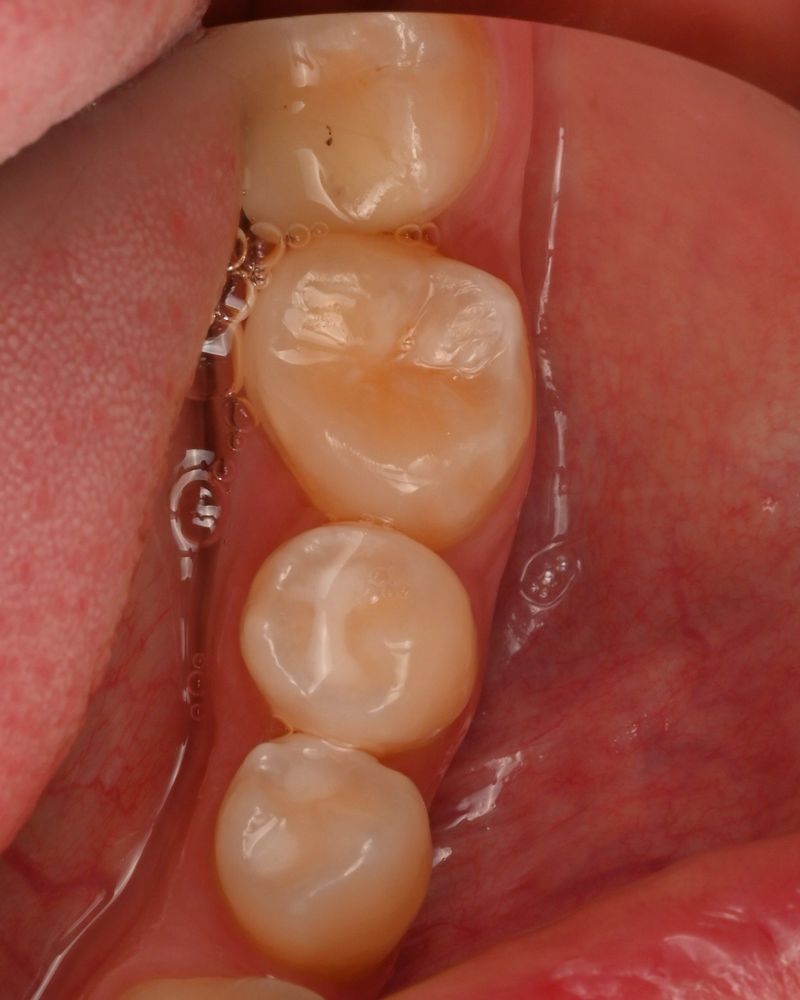
During the procedure, the wisdom tooth was carefully transplanted into the molar position and stabilized with a thin splint. The splint was removed after 20 days, and within 2 months the tooth was fully involved in chewing. Follow-up images showed that the adaptation was progressing well.
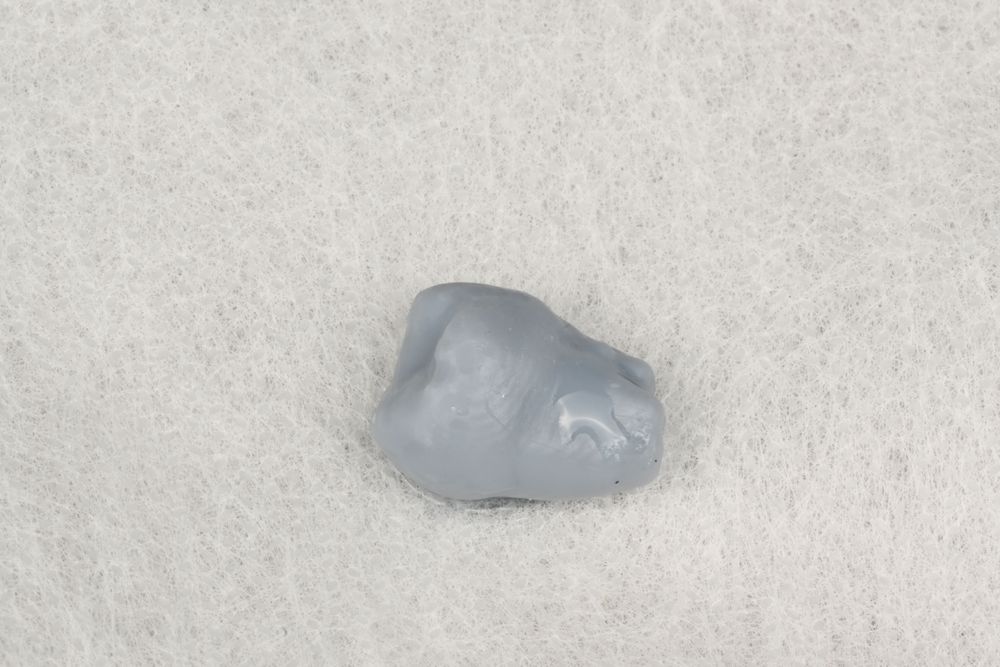
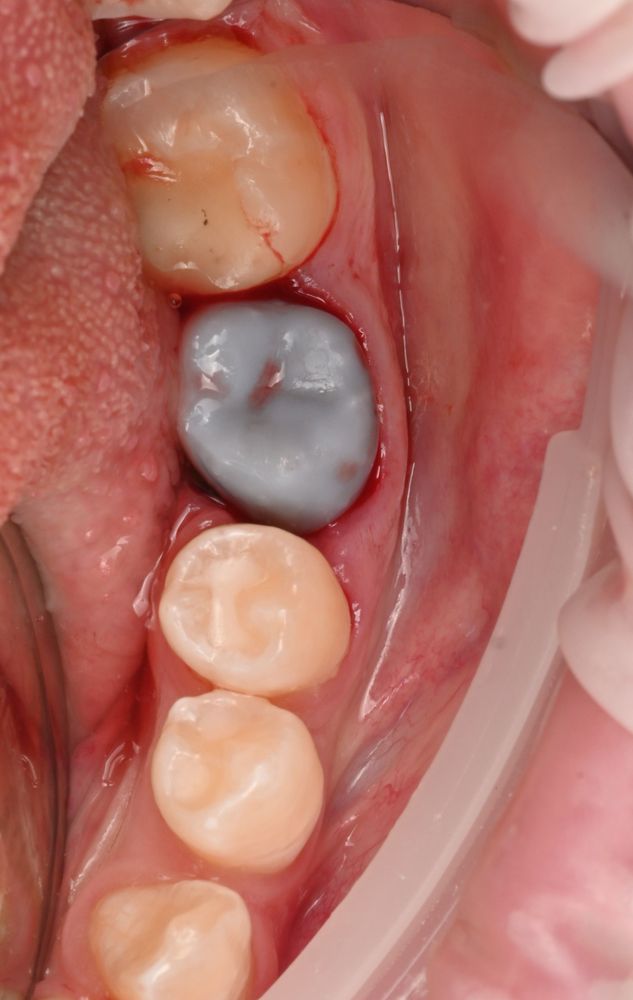
For teenagers, this type of transplantation helps preserve chewing function and bite alignment while implants are not yet an option. For adults, autotransplantation can also be an alternative to an implant when a suitable wisdom tooth is available.
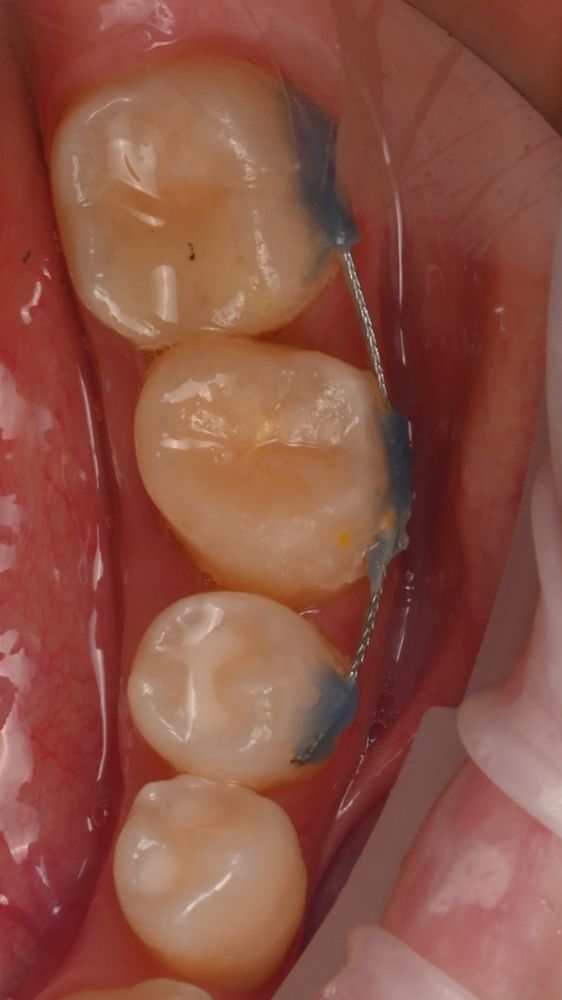
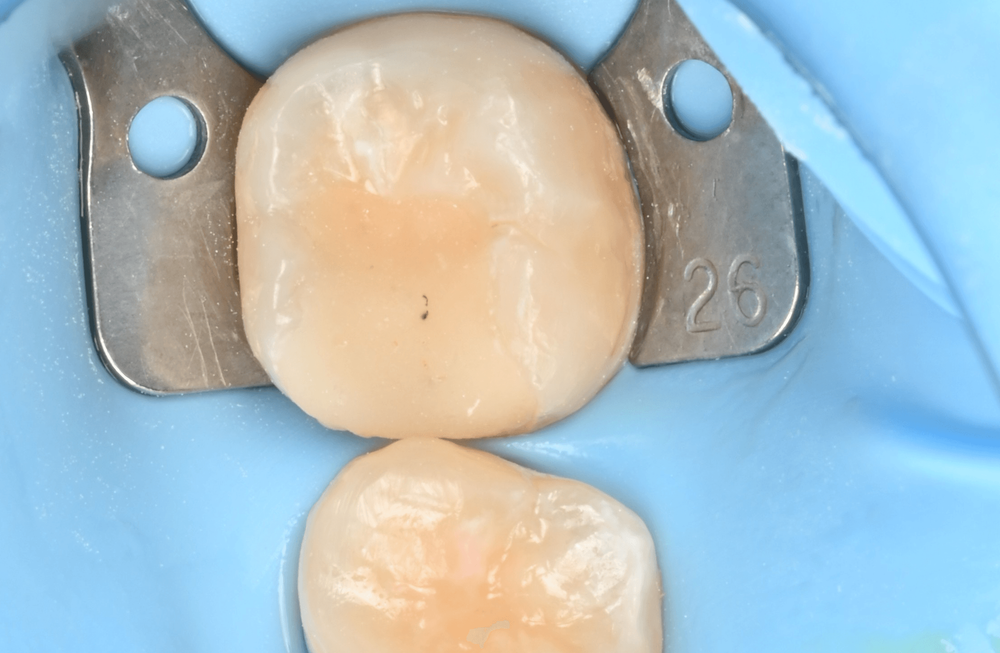
The result is a living tooth that functions naturally, safely, and reliably. Sometimes the best implant is your own tooth.
At Kandinsky Clinic, we use digital planning and 3D-printed guides to make these procedures as accurate and predictable as possible.
If your child has a damaged tooth or an extraction is planned, book a consultation - we will recommend a reliable restoration strategy.