Diagnosis of the state of the microbiome and correction of eating behavior.
The human microbiome is a complex ecosystem of trillions of bacteria, viruses, and fungi living inside us. The human gut microbiome is especially important, which regulates the absorption of nutrients, the immune system, and even mood. When the balance of this system is disrupted, bloating, discomfort, fatigue and weight problems appear, as well as the risk of chronic intestinal inflammation increases.
The human gut microbiota and bacterial microbiome play an important role in maintaining health. Disorders in the small intestine are also significant and affect overall well-being, because there is an active absorption of nutrients.
In order for you to deal with disorders as quickly and efficiently as possible and effectively restore the structure of the microbiome, we have compiled a program for a complete assessment of the intestinal condition using a non-invasive method.
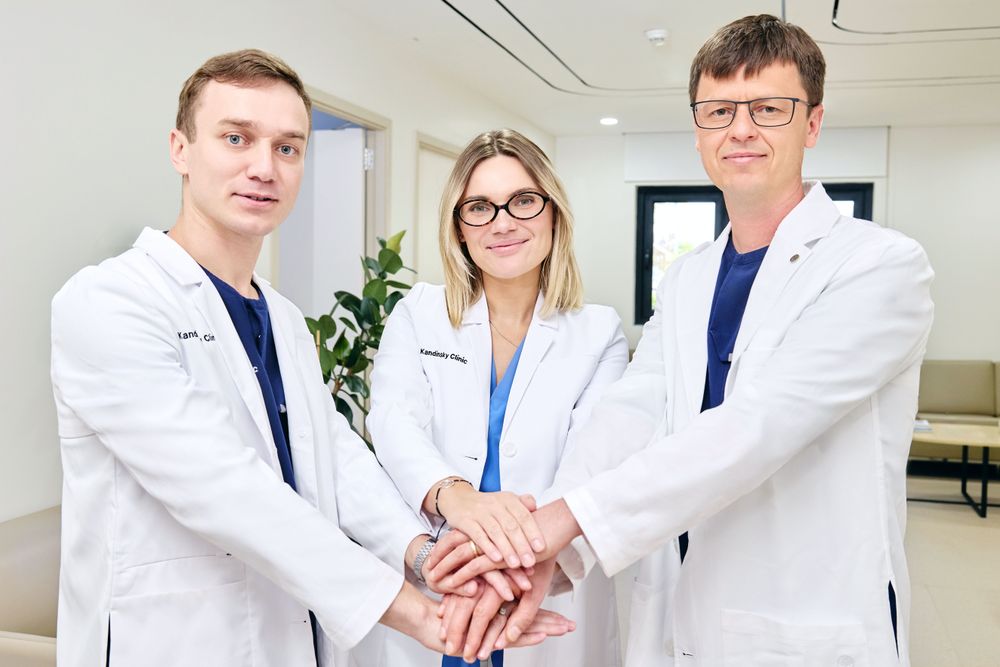

Suitable for whom
The diagnostic plan is intended for adults and adolescents with digestive, metabolic, and eating disorders, as well as for patients with chronic inflammatory diseases and autoimmune processes. It is suitable if you have:
- bloating, increased gas formation, constipation or diarrhea are common.
- unexplained fatigue, skin rashes, anxiety, weight fluctuations appear.
- there is a suspicion of sensitivity to certain foods (gluten, lactose, FODMAP-foods containing fermentable carbohydrates)
- The following diagnoses have been established: celiac disease, Crohn's disease, autoimmune thyroiditis, ulcerative colitis
- eating disorders, sugar cravings, or overeating
The examination helps to distinguish somatic diseases (for example, celiac disease, inflammatory processes, enzymatic insufficiency) from functional disorders such as irritable bowel syndrome. This is important for choosing the right treatment and prevention tactics.
The main goal is to find the causes of malaise, restore a healthy intestinal microbiome, improve well—being and normalize digestion.
When we know the state of the intestinal microflora, it is much easier to assess how the body is affected by the composition of foods and environmental factors, and then choose an effective treatment.
What is included in the survey
This is a non-invasive comprehensive examination, which includes ultrasound, blood and stool tests, as well as a breath test. This diagnosis allows you to assess the condition of the intestine without colonoscopy and understand whether further instrumental examination is necessary.
Laboratory diagnostics
- Intestinal microbiome analysis (DNA test) to assess bacterial diversity and bacterial balance (faeces)
- Determination of biomarkers of inflammation, enzyme activity and metabolism (blood, feces)
- Checking liver function, immunoglobulin levels, celiac disease (blood) test, SIBO breath test — for the diagnosis of small intestine disorders
This is an evidence-based approach to identify the root cause of symptoms, rather than simply eliminating foods from the diet.
Instrumental research
- Ultrasound of the abdominal cavity and liver elastography (as indicated)

Consultations
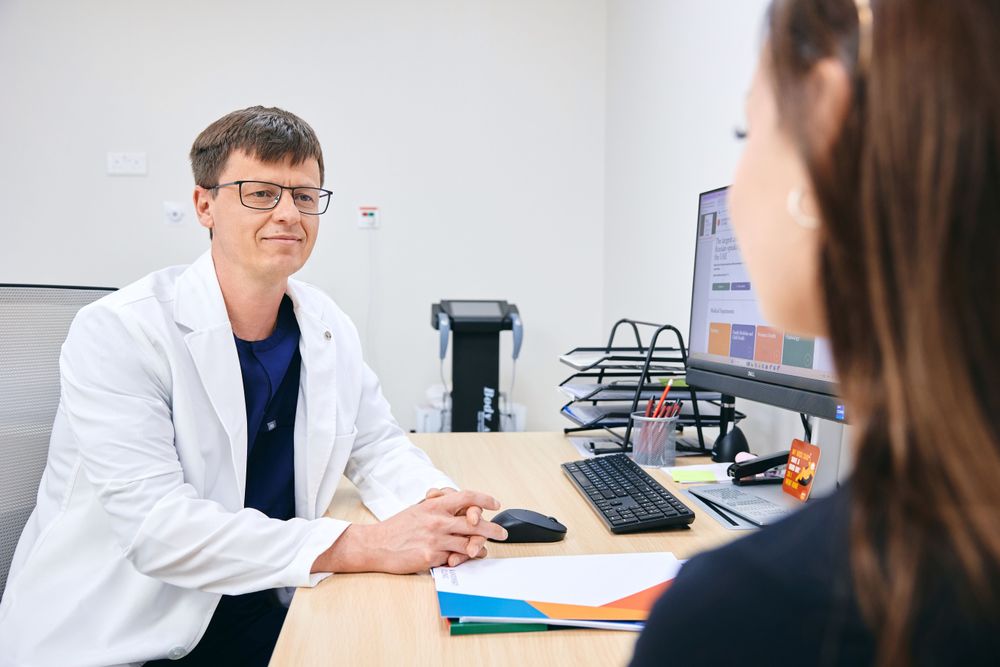
Initial admission gastroenterologist-dietitian — analysis of symptoms, eating habits and lifestyle factors.
Repeat admission — after laboratory and instrumental studies: discussion of test results, development of a personal plan and recommendations for nutrition, treatment and restoration of intestinal microbiome health.
How is the examination going?
All examinations can be completed in two visits.
First visit: consultation, ultrasound, blood donation and stool samples.
Repeat visit: analysis of the results, selection of probiotics and nutraceuticals, recommendations on nutrition and stress management.
What is important to know about the microbiome
The intestinal microbiome and its structure are directly related to many body functions. Normally, it is represented by many bacterial communities, especially active in the colon, small intestine and oral cavity, where microorganisms help digest and digest food, as well as protect mucous membranes.
In healthy people, this balance is naturally maintained, but under stress, poor nutrition, or taking antibiotics, the functions of the human microbiome are disrupted.
In simple terms, when the microbiome gets out of balance, there are fewer beneficial bacteria and more that can cause problems.
An imbalance of the microbiota can also affect the tolerance of certain foods, such as dairy or those that contain gluten. This is not due to allergies, but to changes in the enzyme activity and composition of the intestinal flora.
The restoration of the microbiome is of great importance for health and not only for the normalization of digestion and metabolism, but also for the prevention of chronic diseases, maintaining immune protection and a stable emotional state.
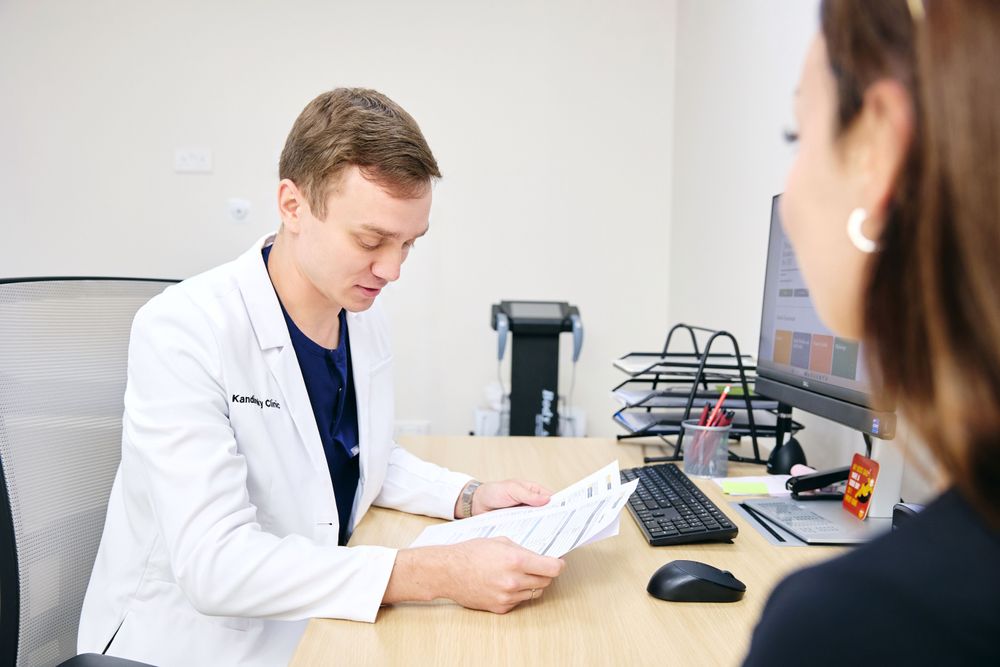
Who conducts microbiome research at the Kandinsky Clinic
In our clinic, the reception is conducted by gastroenterologist and nutritionist Elena Voronina, as well as gastroenterologist Alexander Khvoshchev. Both are specialists with extensive experience who treat patients with diseases of the gastrointestinal tract and metabolic disorders.
Our doctors will professionally evaluate the structure of the microbiome, interpret research results, and develop personalized nutrition and treatment regimens aimed at restoring the balance of the microbiota.
International expertise in Dubai
The Kandinsky Clinic is an expert—level clinic in Dubai. Our doctors have experience in clinical and research work in clinics and hospitals in Germany, Holland, Spain, Portugal, Great Britain, Australia. We work according to international clinical protocols and handle complex clinical cases that require in-depth expertise.
The Kandinsky Clinic is located in Dubai Healthcare City, a medical cluster that unites the leading hospitals and clinics in the region.