Dermatology
Skin problems are something that each of us faces. The skin is not only the largest organ of the body, but also our shield, protecting it from external influences. The dermatologist helps us take care of her and ensure her health.
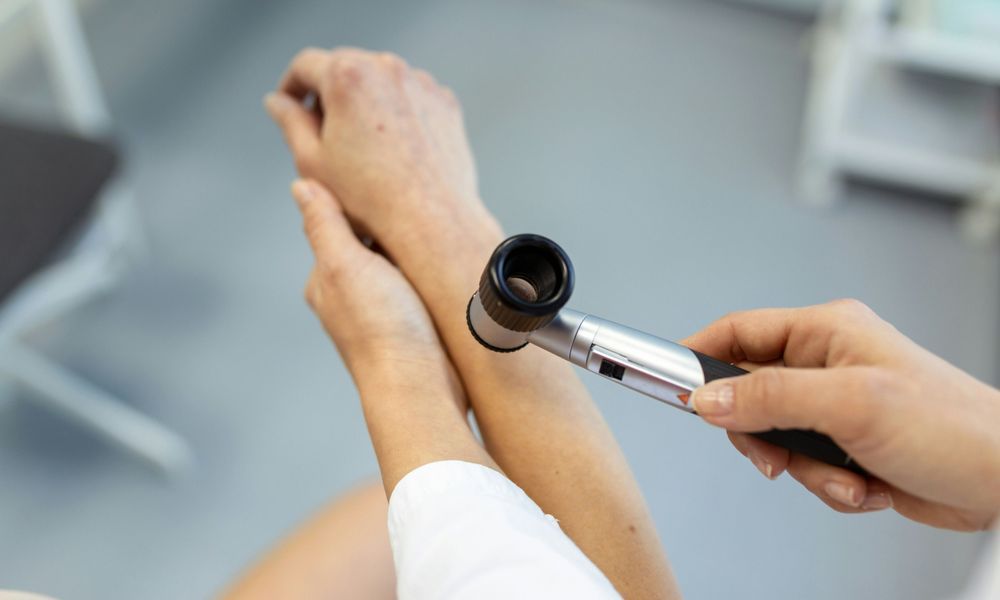
Today, people suffering from skin problems have the opportunity to receive qualified medical care quickly and effectively. It can be provided by a family doctor, the head physician of the clinic and an experienced dermatologist Olga Polikina.
She has certificates obtained not only in the UAE, but also in Russia and Australia, which makes her a qualified specialist in her field.
The doctor specializes in the treatment of skin diseases, including:
- atopic and seborrheic dermatitis;
- acne;
- Rosacea;
- mycoses.
- psoriasis;
- eczema;
- neurodermatitis;
- atopic dermatitis;
- chronic dermatosis;
- fungal inflammation;
- viral and herpetic inflammations;
- pustular rashes;
- diseases caused by parasites;
- allergies and autoimmune diseases, etc.;
What problems are being handled
Dermatological problems are not uncommon in Dubai. One of the most common and specific dermatological problems in Dubai is molluscum contagiosum, a viral disease in which atypical pimples-papules appear on the skin. Although the rashes may seem minor, they can grow and cause itching.
Another of the most common skin problems is acne. Sudden climate change, harsh or unusual water, as well as other external factors, such as the use of cosmetics in the heat, can worsen the skin condition.
This provokes inflammation and acne formation. If acne is not treated, then scars and age spots may remain on the skin, which significantly affects a person's comfort and self-esteem. it significantly affects one's own comfort and self-esteem.
A dermatologist can offer various treatment methods, including topical medications, antibiotics, and hormone therapy.
A healthy diet and a sufficient level of skin hydration are equally important, and this can also be discussed with our specialist.
When should I go to a dermatologist?
The main points worth paying attention to:
- The appearance of a rash on the skin or mucous membranes;
- Itching, swelling, discoloration or texture of the skin;
- Peeling, the appearance of spots, boils, papillomas, and warts;
- Severe rashes in the form of pimples and blackheads.
- Hair loss, the appearance of lice or other parasites.
Preparation for examination by a dermatologist
- If possible, collect all medical documents and tests for the last six months, if the disease is chronic.;
- Do not use care products on the affected areas before visiting a doctor.;
- Stop using any medications that are not prescribed by your doctor.;
- Formulate a description of the symptoms in advance and recall possible provoking factors, such as prolonged exposure to the sun.
All these important steps will help the dermatologist to make a more accurate diagnosis and develop a treatment plan.