How to Recognize Depression?

Depression symptoms aren't always as obvious as those of other illnesses, especially in Dubai's fast-paced lifestyle. However, this doesn't mean they should be ignored. Dr. Elena Lysogorskaya, neurologist at Kandinsky Clinic, explains how to identify important signals from your body and when to seek professional help.
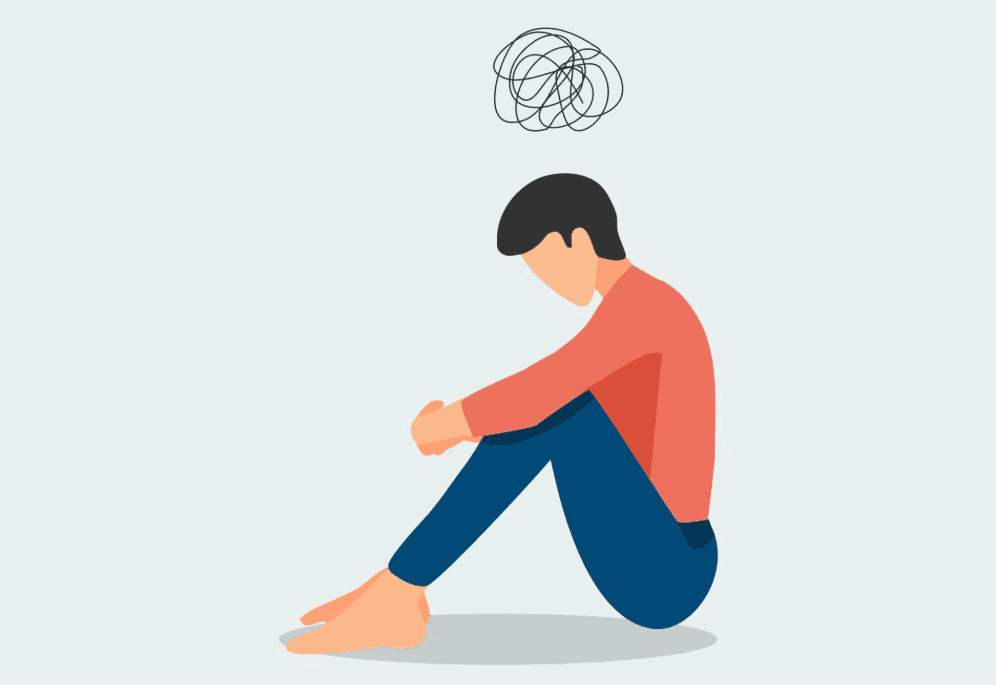
Ask Yourself: "How Am I Really Doing?"
If you're experiencing constant fatigue, if your mood is consistently low or worsening, or if you feel emotionally numb and no longer find joy in activities you once loved, these could be symptoms of depression.
Recognizing When You Need Help
We sometimes find ourselves working at the limits of our capabilities, particularly during major life changes such as relocation, career transitions, family conflicts, or financial losses. The social pressures and rapid pace of metropolitan life often leave us feeling overwhelmed, exhausted, and dejected.
Important Warning Signs
Many patients report sleep disturbances - difficulty quieting racing thoughts, worries, and information overload, or experiencing frequent awakenings and fragmented sleep. Daily routines become more challenging, with usual tasks feeling increasingly difficult to manage.
Some individuals experience more frequent pain syndromes, including migraines, tension headaches, and back pain. Changes in eating patterns may also occur - either loss of appetite or stress-induced overeating.
Pay attention to difficulties with concentration, memory decline, absentmindedness, forgetfulness, and challenges in learning new information. These signs are particularly significant for young people without any underlying conditions.
Understanding the Importance
These changes may indicate depression. Depression isn't merely a mood decline or emotional downturn - it's a serious condition linked to disrupted chemical production in the brain. These chemicals regulate numerous functions including mood, willpower, fatigue levels, pain perception, sleep, eating behavior, attention, memory, and many others.
If you're experiencing low mood or energy, or suspect you might have depression, it's advisable to consult a doctor. Some cases may require medication to help restore normal functioning. There's no need to feel embarrassed or afraid to seek help, just as you wouldn't hesitate to see a doctor for strep throat or a suspected fracture.
Depression is as legitimate an illness as any other. The neurologists and family physicians at Kandinsky Clinic have extensive experience treating anxiety and depressive disorders, and can develop an optimal treatment plan for you.