Dr. Meerim Cholponbaeva, a family physician at Kandinsky Clinic, addresses concerns about Dubai's air quality and explains how to protect yourself from potential negative effects.
Air Quality Challenges in Dubai
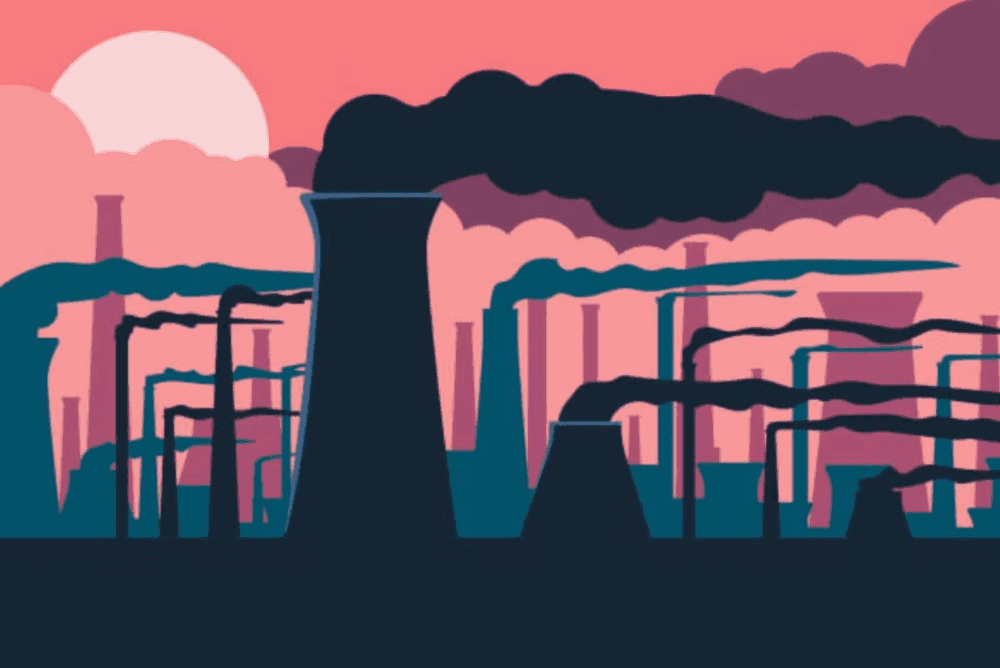
Dubai, a pearl between the sea and desert that attracts millions of tourists, faces air quality challenges that can impact residents' health. The main air pollutants that may affect the respiratory system include gaseous chemicals such as nitrogen dioxide (NO2), ozone (O3), sulfur dioxide (SO2), diesel exhaust, inhalable particulate matter (PM), and aeroallergens like fungal spores and pollen.
The primary pollution sources in Dubai are vehicular traffic, industrial facilities, and construction. The continuous development of new buildings and roads contributes to air quality issues. The local climate also plays a significant role, as hot sunny weather accelerates the formation of ozone through chemical reactions between nitrogen dioxide and volatile organic compounds.
High humidity, pressure, strong nighttime temperature inversions, or low wind speeds can increase pollution from inhalable fine particles. During calm, windless days, air often becomes stagnant, and pollutants appear as smog. The hot climate necessitates frequent air conditioning use, leading to increased energy consumption and associated air emissions.
Air quality is measured using the Air Quality Index (AQI). Concern should arise when AQI exceeds 101, which sometimes occurs in Dubai.
Health Impact of Poor Air Quality
When inhaling air pollutants, people may experience symptoms such as eye irritation, tearing, and coughing. These pollutants irritate respiratory passages and increase the risk of respiratory infections. Poor air quality can trigger or exacerbate various respiratory and heart diseases and is a risk factor for oncological conditions. For those with bronchial asthma or chronic obstructive pulmonary disease, air pollution can cause breathing difficulties, shortness of breath, and coughing.
Vulnerable Groups
Those at higher risk include people with respiratory diseases, allergy sufferers, infants and young children, people over 65 (especially those with chronic lung or heart conditions), individuals with cardiovascular diseases, outdoor workers and athletes, and smokers or those exposed to secondhand smoke. Children face greater risks as their lungs are still developing, and they breathe more frequently, thus inhaling more polluted air.
Government Initiatives
Dubai's government prioritizes citizen health and actively works to improve air quality. Measures include strict construction industry regulations to reduce dust emissions, RTA efforts to tighten vehicle regulations, and development of green spaces and parks.
Protective Measures
To minimize exposure to polluted air:
- Limit outdoor activities and exercise, preferring early morning hours when air quality is better
- Choose routes away from busy roads and walk on the inside of sidewalks where pollution levels are lower
- Protect yourself while driving by keeping windows closed in traffic and using air recirculation
- Monitor air quality using websites or apps like AirVisual, AirMatters, or BreezoMeter
- Keep inhalers accessible if prescribed, and consult a doctor if usage increases
Dr. Cholponbaeva at Kandinsky Clinic brings extensive experience in treating pulmonary diseases, including bronchial asthma, COPD, pulmonary hypertension, and sleep apnea. Her experience working in COVID-19 wards during the pandemic has enhanced her expertise in respiratory care. For qualified consultation on respiratory issues, schedule an appointment at the clinic.