Autism: Everything You Need to Know
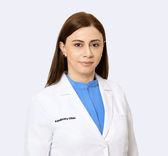
Psychiatrist and psychotherapist Shahla Suleimanli explains how to spot the first signs of autism, where autism spectrum disorder is diagnosed, and how to help people with ASD.
Autism is a spectrum of neurodevelopmental differences in which the brain processes information differently from most people. Signs of autism can vary greatly — from subtle traits to significant challenges in communication and behavior.

Autism is not “laziness” or “poor parenting,” but a congenital feature of brain development. With the right support, children and adults on the spectrum can learn, adapt, and thrive. Because of the wide range of manifestations, autism is more often referred to as autism spectrum disorder (ASD).
Why early recognition matters
The earlier we recognize the signs of autism, the easier it is to help a child adapt to the world around them. First indications may appear between 18 and 24 months, but a diagnosis of autism cannot be made by parents alone — a specialist consultation is essential.
How autism is diagnosed in children
Childhood autism is diagnosed by a multidisciplinary team of clinicians using established diagnostic criteria. Initial screening is typically performed during routine pediatric check-ups at 9, 18, and 30 months of age.
At the Kandinsky Clinic Child Development Support Center in Dubai, early autism diagnosis, comprehensive therapy, and family-centered support are available in line with international standards of evidence-based medicine and the guidelines of the Dubai Health Authority (DHA).
How Does Autism Develop?
Autism is present from birth; it is not an acquired condition. The exact causes of autism are not fully understood. Its signs begin in childhood and persist throughout life. The primary goal is to support communication and social interaction — not to attempt to “cure” autism.
Today, clinicians recognize varying degrees of autism spectrum disorder (ASD). Some children experience only mild challenges that have little impact on learning and daily life, while others require substantial support. This variability is explained by the fact that autism is likely influenced by a combination of genetic and environmental factors, meaning that each individual’s presentation is unique.
How to Recognize Autism in a Child
Pay attention to how your child interacts with the world. Signs that may indicate the need to consult a specialist include:
- Lack of pointing gestures by 12 months — the child does not try to show you what they want or what interests them
- By 16 months, the child has no single words, and by 24 months, no two-word phrases
- Absence of eye contact — the child avoids looking directly into your eyes
- Restricted interests — the child may spend hours with the same toy or engage in repetitive behaviors
- Unusual sensory responses — for example, the child may be overly sensitive to loud sounds, certain textures, fabrics, or smells
Other possible signs of autism:
The child may appear withdrawn, avoidant, or show little interest in social play and communication.
If you have concerns, take the first step by scheduling a consultation with a pediatrician, neurologist, or speech therapist.

When to Seek Immediate Medical Attention
There are situations that require urgent consultation with a specialist:
- Sudden developmental regression (e.g., loss of speech)
- Dangerous or self-injurious behavior
- Severe sleep or appetite disturbances, sudden weight loss
How Is Autism Diagnosed in Dubai?
Initial screening is carried out by a pediatrician during age-specific check-ups, followed by a multidisciplinary team (MDT) assessment within a short timeframe, in accordance with Dubai’s healthcare regulations.
During the evaluation, two main questionnaires are commonly used:
- M-CHAT (Modified Checklist for Autism in Toddlers): usually completed by parents, answering simple questions about the child’s behavior and responses. It helps determine whether further assessment is needed.
- SCQ (Social Communication Questionnaire): used in older children when indicated, to evaluate social communication and interaction skills.
The MDT assessment in Dubai is conducted in government institutions under the supervision of the Dubai Health Authority (DHA) (for example, Dubai Autism Center, Latifa Hospital, and Al Jalila Children’s Specialty Hospital). The team typically includes a pediatrician/child neurologist/child psychiatrist, along with a speech therapist, occupational therapist, and psychologist.
According to DHA recommendations, the assessment should be completed within 2–4 weeks for children under 6 years old, and within up to 3 months for school-aged children and adolescents.
Preparing for the Multidisciplinary Assessment
Before meeting with the evaluation team, parents should prepare:
- Audiological testing (to differentiate autism from hearing loss)
- Medical records and case history
- Observations from preschool or school
- Basic laboratory and clinical examinations
How Autism Is Diagnosed in Children
Autism diagnosis is not based on a single test but rather on a combination of clinical observation, structured interviews, and validated assessment tools. The final conclusion is made by the medical commission, using internationally recognized clinical criteria (DSM-5/ICD-11). The assessment also specifies the level of support required and identifies any co-occurring conditions.
It is important for parents to understand that receiving a diagnosis does not mean a child is being “labeled.” Instead, it is a formal definition of the condition that helps guide the treatment pathway and prevent errors. The medical team documents key developmental features and provides clear, practical recommendations to support the family moving forward.
What Does Autism Spectrum Disorder (ASD) Look Like?
Some children with ASD hardly speak at all, while in others the signs are so mild that parents may only notice them once the child starts school.
Determining whether a child has autism and the level of support needed is the responsibility of a specialist. For many years, medicine used various terms — for example, childhood autism. Today, the term autism spectrum disorder (ASD) is used, reflecting the wide range of possible manifestations. This breadth distinguishes ASD from other neurobiological conditions.
At the two ends of the spectrum, one may see:
- A child with no speech, no eye contact, lacking basic developmental skills, and requiring substantial support
- A child who simply seems “quiet,” with mild social or behavioral difficulties that become more noticeable over time (this form was previously referred to as Asperger’s syndrome)
Autism is called a spectrum for a reason: its manifestations depend on which brain areas are involved and how early support is provided. This is why two children of the same age can show very different traits.
When communicating with individuals diagnosed with ASD and their families, it is preferable to avoid using the term “autistic” (e.g., “autistic child,” “autistic behavior”). The term is considered stigmatizing, as it implies a division between “healthy” and “ill.” It is more respectful and accurate to say “a person with autism spectrum disorder” or “an autistic person.”
How to Support Children with ASD
Effective support for children with autism spectrum disorder (ASD) involves an individualized plan that combines evidence-based approaches: behavioral and educational methods, speech and language therapy, occupational therapy, and active parental involvement.
Behavioral Interventions (ABA, NDBI):
Skills are broken down into small, manageable steps, using clear prompts and positive reinforcement
For younger children, skills are embedded into play and daily routines (naturalistic/NDBI), allowing them to be transferred into real-life situations
Communication and Speech Therapy:
Focus is placed not only on sounds, but also on social language: teaching children to request, take turns in conversation, and understand gestures and facial expressions
Alternative and augmentative communication (AAC) is often used. Visual schedules, picture cards, and short, clear phrases can be very helpful
Occupational Therapy and Sensory Regulation:
Developing strategies to cope with sensory overload (e.g., noise, light, touch) and building independence in daily living skills such as dressing, eating, and hygiene
Supporting both gross and fine motor skills, and introducing simple sensory strategies that can be used at home and in school
Medication:
Medications are prescribed only when indicated and strictly under medical supervision. They may be used to manage co-occurring conditions such as severe anxiety, ADHD, or sleep disturbances.
It is essential that all significant adults involved in a child’s care use consistent support strategies — this ensures the child receives the same signals at home, in kindergarten, and during therapy sessions.
At the Kandinsky Clinic Child Development Support Center, specialists provide practical guidance to help families establish a daily routine that meets the needs of a child with autism spectrum disorder (ASD) while supporting the well-being of the whole family.
Progress is monitored using key developmental criteria. Goals and therapy intensity are regularly reviewed, focusing on measurable outcomes such as communication, self-care skills, participation in learning, and daily life activities. The child’s support plan is adjusted to ensure that interventions remain balanced, individualized, and effective.

Life with Autism: School, Socialization, and Sensory Needs
For families and educators, it is important to understand not only how autism is diagnosed but also which adaptation strategies can best support a child.
At school, difficulties most often appear in communication and in coping with sensory overload. To help, it is essential to establish clear rules for daily routines and use visual schedules. These make expectations predictable and understandable, reducing anxiety. The learning program should also be tailored to the child’s unique way of perceiving the world.
Sensory needs should also be considered at home. For example, headphones can provide relief if a child is distressed by loud noises, while weighted blankets may create a sense of safety. Such regulation strategies help prevent overload and exhaustion.
The focus should always remain on strengths. Children with ASD often develop unique abilities — such as attention to detail, strong memory, or a deep interest in science or the arts. When parents and teachers know how to nurture these traits, they become valuable resources for learning and social integration.
How Kandinsky Clinic Helps
At Kandinsky Clinic, we have developed a clear and structured system to support families raising children with autism spectrum disorder (ASD). Every step is based on international guidelines, Dubai healthcare standards, and the expertise of our specialists — including experience gained in leading clinics in Moscow, Yerevan, and other cities.
Parents do not need to search for separate professionals. At the Kandinsky Clinic Child Development Support Center, pediatricians, neurologists, speech and language therapists, psychologists, and psychiatrists work together as a team.
Here, families can access early diagnostics, identify key challenges, and receive an individualized support program. This is a unique opportunity for families in Dubai — especially for Russian-speaking parents — to benefit from comprehensive care in their native language.
Initial Consultation and Care Pathway
At Kandinsky Clinic, our specialists conduct an initial screening to determine whether further diagnostic evaluation is needed. During the first appointment, the physician collects information about the child’s development, discusses behavior, speech, sensory characteristics, and input from educators.
If indicated, the family is referred for an MDT assessment (multidisciplinary team evaluation), where they receive a comprehensive conclusion.
What Happens After Diagnosis
A diagnosis is the starting point for building an effective support plan. At Kandinsky Clinic, we understand that parents need not only a formal conclusion but also clear guidance on the next steps.
Long-Term Support at Kandinsky Clinic
We provide long-term, structured support that includes:
- Regular consultations with specialists: pediatricians, neurologists, psychiatrists, speech and language therapists, and educational psychologists monitor the child’s progress and adjust the program as needed.
- Individualized development plans: tailored to the child’s age, developmental level, unique characteristics, and family needs.
- Parental guidance: training in interaction strategies that are effective both at home and at school, as well as discussing challenges and finding practical solutions.
- Multidisciplinary case discussions: when necessary, our specialists conduct joint consultations to ensure the plan is coherent, comprehensive, and easy to follow.
- Support with schools and kindergartens: assistance in preparing recommendations for educators to help the child adapt more smoothly to the educational environment.
- Collaboration with external centers: if the child requires ABA therapy or other specialized services, we refer families to trusted providers while remaining the coordinating link, ensuring parents feel confident in their choices.
This model of care not only prevents regression or complications but also helps the child gradually develop and build on their strengths after an ASD diagnosis.
Why Choose Kandinsky Clinic?
- Multidisciplinary approach
- In-house Child Development Support Center
- Russian-speaking specialists with extensive professional experience
- Transparency and evidence-based medicine
- Family-centered care, not just child-focused care
- Convenient location in Dubai Healthcare City
- Flexible schedule (8:00 AM – 9:00 PM, seven days a week), with options for both in-person and online consultations
Choosing the right center and specialists is the first step toward receiving structured, effective support. At Kandinsky Clinic, we have created all the conditions for families to undergo initial assessment and count on long-term, comprehensive care in one place. Parents receive support in both Russian and English, and our programs are designed to make working with a diagnosis clear, consistent, and sustainable.
FAQ: Short Answers to Common Questions About Autism
“What kind of disease is autism?”
Autism is not a disease. People with autism perceive the world differently. It is a neurodevelopmental difference that can be supported and managed with the right approaches.
“What does ASD mean from a medical perspective?”
From a medical standpoint, the modern definition of autism spectrum disorder (ASD) is based on international classifications such as DSM-5 and ICD-11. ASD describes a spectrum of brain-based conditions with clearly defined diagnostic characteristics. Identifying them is the role of a multidisciplinary team of specialists trained in autism assessment.
“Can autism be completely cured?”
No. Since autism spectrum disorder is not an illness but a developmental difference, it cannot be “cured.” However, it can be positively influenced. A well-designed program helps the child adapt and acquire essential social and communication skills.
“What causes autism?”
The exact cause of autism in children (its etiology) is unknown. Research shows that it is a multifactorial condition, meaning it arises from the interaction of various factors. Genetic predisposition and mutations play a role, as well as complications during prenatal development — such as infections, hypoxia, exposure to toxins, and certain maternal illnesses. The pathogenesis of autism, or the mechanism by which it develops, is linked to differences in brain and nervous system functioning.
“Who diagnoses autism in children?”
Autism spectrum disorder (ASD) in children is diagnosed by a multidisciplinary team of specialists based on a clinical evaluation. This is carried out if signs of autism are first identified by a pediatrician or another doctor during initial screening. A clinical evaluation involves not only observing the child but also carefully gathering developmental history from birth onward.
“At what age can autism be diagnosed?”
Early signs are often noticeable between 18–24 months, and a reliable diagnosis can usually be made in the preschool years.
“Why is early intervention important in ASD?”
Early intervention is crucial because the child’s brain is especially plastic in the early years of life. With timely support, children can develop more effectively, gain independence, overcome many challenges, and acquire practical skills for a fulfilling life.
“Is support available for parents of children with autism?”
Yes. Parent training programs and support groups are available. Parents receive clear guidance on how to manage situations at home and at school, and they can also share experiences with others. This support reduces family stress and helps the child progress more successfully.
“Can children with ASD attend mainstream schools?”
Each case is unique, but many children with autism study in mainstream schools with appropriate support. Outcomes depend on the severity of ASD and on the availability of individual developmental resources. Children with milder forms of ASD often pursue education, build careers, and lead active, fulfilling lives.
“How can classmates be told that a child has ASD?”
Teachers and parents often find it challenging to choose the right words. Simple, clear explanations can help, for example: “His brain works a bit differently, and he learns in his own way.” Such explanations prevent stigma and promote understanding and acceptance in the classroom.
“Are there facilities for children with ASD in Dubai?”
Yes. The government of Dubai actively supports initiatives for people with special needs. The National Autism Policy of the UAE aims to improve the quality of life for individuals with ASD and their families. Many public places, such as parks and museums, are certified as “Autism Friendly”, offering a supportive environment with dedicated quiet spaces to recover from sensory overload, as well as trained staff to provide assistance.
“Are children with autism dangerous?”
No. Children with autism spectrum disorder (ASD) are not inherently dangerous. Their behavior may sometimes seem unfamiliar, and strong emotions or meltdowns can occur due to sensory overload. In rare cases—especially when significant co-occurring conditions are present—situations may arise that require close adult supervision. The key goal for parents and professionals is to create conditions that promote balanced development and ensure the child’s safety.
“Does diet help with ASD?”
Dietary changes are not a primary intervention for ASD. They may influence overall well-being but do not alter neurodevelopment. Evidence-based support for ASD is grounded in behavioral and educational approaches. Autism does not imply that a child is deficient in specific nutrients or vitamins; therefore, nutritional adjustments cannot replace professional, evidence-based care.
“How can I tell autism from a speech delay?”
This cannot be determined independently—only a qualified specialist can evaluate and explain the difference. As a general guide, in speech and/or language delay, communication develops more slowly, but children typically maintain interest in social interaction. In autism, there are differences in social communication and the presence of repetitive behaviors. These features help distinguish ASD from isolated speech/language delay or intellectual disability. If you have concerns, consult a physician.
“Can autism appear suddenly in adulthood?”
No. Autism does not suddenly arise in adulthood. People do not “become autistic,” though some individuals may have subtle features and remain undiagnosed for many years. If signs become noticeable in adulthood, they should not be ignored—seek a specialist evaluation to obtain a clear understanding and appropriate support.
“Can a person with ASD have a healthy child?”
Yes. People with ASD can have and raise children. A parent’s ASD diagnosis does not mean the child will necessarily have autism. Genetic factors can contribute, but they are not the only determinants.
“What should I do if I suspect autism?”
Schedule a consultation with a pediatrician or neurologist and gather information about the child’s development. Tell the doctor when your concerns first arose and what prompted them. Because ASD presents differently from child to child, your detailed account is important for accurate conclusions. If you want a deeper evaluation, ask the specialist which additional assessments would improve diagnostic confidence. This helps you act promptly and take the first step in supporting your child.
Author: Shahla Suleymanli, psychiatrist, psychotherapist at Kandinsky Clinic (DHA License: No. 93748107-001)
Medical Editor: Olga Polikina, Medical Director, Kandinsky Clinic, PhD in Medicine (DHA License: No. 08705887-001)
Date of Review: September 3, 2025
Disclaimer
The materials presented here are intended solely for informational and educational purposes. They do not constitute medical advice, cannot be used as a basis for diagnosis or treatment selection, and do not replace professional consultation.
This information may be helpful for better understanding the characteristics of autism; however, each case is unique. For any questions related to the diagnosis, treatment, or support of individuals with autism spectrum disorder, please consult a qualified physician or another relevant healthcare professional.
Articles and References