What You Need to Know About Endometriosis

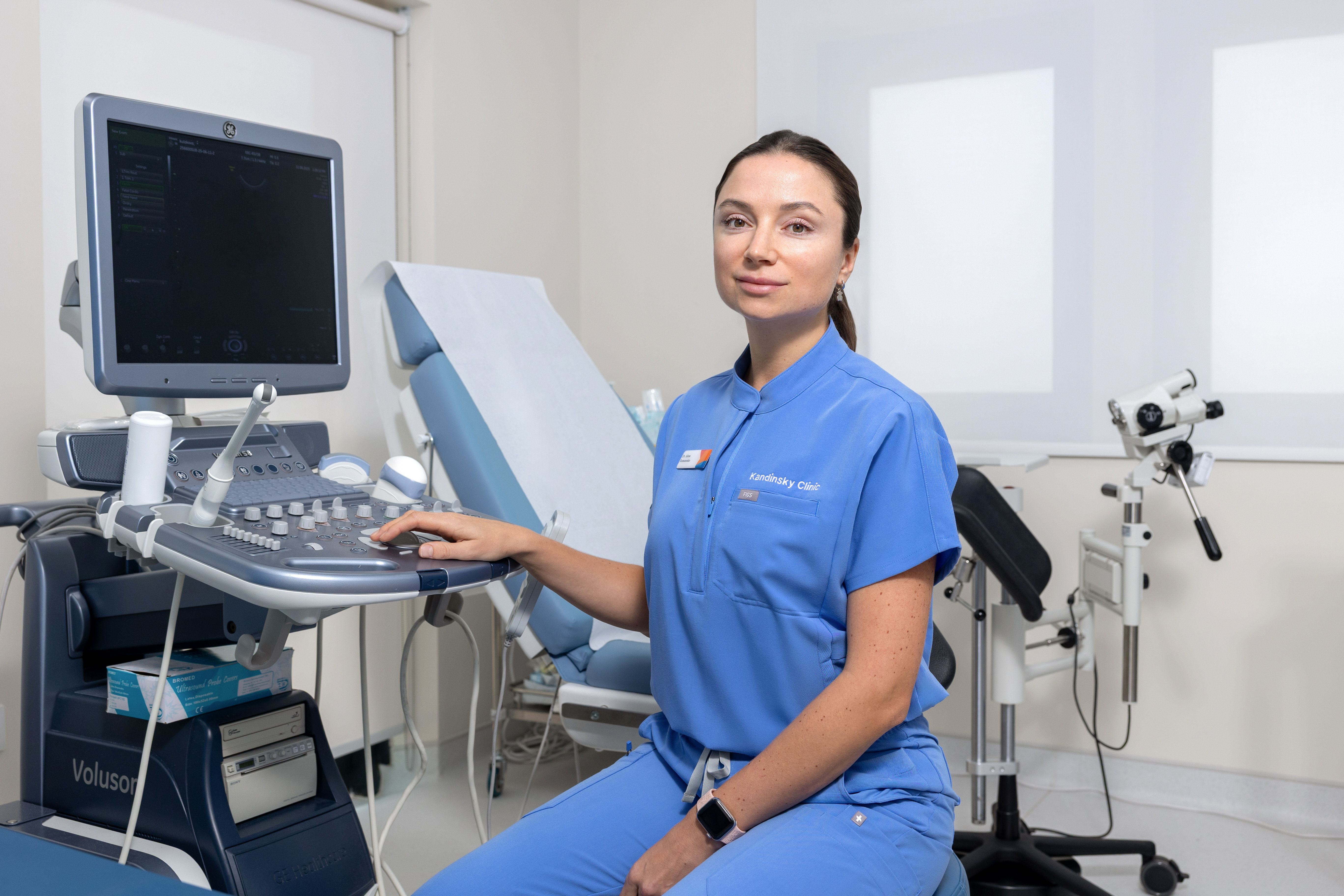
What You Need to Know About Endometriosis.
What is endometriosis in women? Endometriosis is a chronic gynecological condition in which tissue similar to the endometrium—the lining of the uterus—begins to grow outside the uterine cavity. It can cause discomfort, pain, menstrual irregularities, infertility, and other symptoms.
Endometriosis is a common condition in gynecology. According to the World Health Organization (WHO), it affects about 10% of women of reproductive age—around 190 million people worldwide.
What happens in endometriosis, in simple terms
To better understand endometriosis, it is important to look at how lesions form and why they lead to chronic inflammation.
Normally, the endometrium is located inside the uterus and is shed during menstruation. In endometriosis, similar cells develop on structures of the reproductive system: the ovaries, fallopian tubes, the cervix, and sometimes on the outer surface of the uterus. They may also be found on the peritoneum, near the bladder, and the rectum.
These endometrial-like lesions continue to respond to hormonal changes throughout the menstrual cycle, which is why inflammation can persist for months or even years. In rare cases, they are found outside the pelvic area—in the abdominal cavity or even in internal organs.
What causes endometriosis
The exact mechanisms behind endometriosis are not fully understood. Current research considers several possible factors, including genetic predisposition, immune system dysfunction, chronic inflammation, and hormonal influences. In practice, this means the condition often develops as a result of multiple interacting factors.
For clinicians, identifying a single root cause is less important than understanding how the disease manifests in a specific patient—what the initial symptoms are and how they affect quality of life. Medical history, including previous gynecological conditions, surgeries, complicated menstruation, or difficulties with conception, is also essential.

External endometriosis vs. adenomyosis: what’s the difference
Endometriosis can present in different forms, most commonly:
- External endometriosis, where lesions are located outside the uterus
- Adenomyosis, where endometrial tissue grows into the muscular wall of the uterus
These terms are often used interchangeably in everyday language, but clinically they refer to different conditions. Localization, symptoms, diagnostic approach, and treatment strategies may differ, which is why precise diagnosis is critical.
Symptoms of endometriosis
Symptoms can vary significantly. Some patients experience severe pain, while in others early signs may remain nonspecific for a long time, delaying diagnosis.
Common symptoms include:
- Painful periods, especially if pain worsens over time
- Chronic pelvic or lower abdominal pain
- Pain during intercourse
- Spotting before or after menstruation
- Difficulty conceiving
The clinical picture varies depending on lesion location. For example:
- Lesions near the bowel may cause pain during bowel movements
- Cervical involvement may lead to pain during intercourse or gynecological exams
In some cases, lesions appear as ovarian cysts; in others, as small inflammatory areas that are difficult to detect without imaging.
Important: Severe menstrual pain is not a “normal” condition. It may be a sign of endometriosis and should be evaluated by a specialist. Mild-looking symptoms can sometimes indicate an already established chronic process.
Stages of endometriosis
In clinical practice, disease severity is often assessed using the American Society for Reproductive Medicine (ASRM) classification, which defines four stages:
Stage 1 (minimal)
small, superficial lesions
Stage 2 (mild)
more lesions, some deeper; possible minor adhesions
Stage 3 (moderate)
more pronounced lesions, possible ovarian endometriomas, more frequent adhesions
Stage 4 (severe)
multiple pelvic organs involved, lesions may affect the bowel, bladder, and other structures, with significant adhesions
It is important to note that stage does not always correlate with symptom severity. Small lesions can cause severe pain, while advanced disease may sometimes be relatively asymptomatic.
Why endometriosis is not always easy to diagnose
Endometriosis can mimic other conditions, such as irritable bowel syndrome, chronic pelvic pain, or inflammatory diseases. Accurate diagnosis requires correlating symptoms, clinical findings, and test results.
Early symptoms are often perceived as minor, which can delay seeking medical care. However, progression of pain over time is often a key diagnostic clue.

Diagnosis of endometriosis
Diagnosis begins with a detailed consultation and examination. The doctor assesses pain patterns, menstrual cycle correlation, medical history, and symptom duration.
Diagnostic methods may include:
- Gynecological examination
- Pelvic ultrasound
- MRI (if indicated)
- Laboratory tests
- In selected cases, diagnostic laparoscopy
Previously, laparoscopy was considered the only definitive diagnostic method. Today, guidelines from the European Society of Human Reproduction and Embryology (ESHRE) allow diagnosis based on symptoms, examination, and imaging, reserving surgery for specific cases.
What tests may be needed
Laboratory tests alone cannot confirm endometriosis but help exclude other conditions and assess overall health. These may include general clinical tests, markers of inflammation, iron levels, and sometimes hormonal evaluations.
When to see a gynecologist
Painful periods are already a reason to consult a specialist. Medical evaluation is especially important if:
- Periods are becoming increasingly painful
- Pain interferes with daily life, work, or sleep
- Symptoms occur outside menstruation
- Pregnancy does not occur despite regular unprotected intercourse
- Pain occurs during urination, bowel movements, or intercourse
- Early diagnosis improves treatment outcomes and reduces the risk of complications.
Can endometriosis be cured?
Endometriosis is a chronic condition and cannot be completely cured, but it can be effectively managed.
Treatment depends on age, symptom severity, reproductive plans, lesion location, and diagnostic findings. Options include:
- Observation
- Pain management
- Hormonal therapy
- Surgical treatment
The main goals are to reduce pain, slow disease progression, improve quality of life, and preserve reproductive function.
When surgery is considered
Surgery may be recommended if lesions are clearly visible, pain is severe, medical therapy is ineffective, or deep tissue involvement is suspected. However, it is not the default approach for all patients.
Endometriosis and pregnancy
Endometriosis does not always cause infertility, but it can interfere with conception. Lesions may lead to adhesions in the pelvic area, affecting the ovaries and fallopian tubes.
If pregnancy does not occur, it is important to consult a doctor about fertility-preserving strategies rather than waiting.
Endometriosis and menopause
After menopause, estrogen levels decline, and disease activity usually decreases. Symptoms often become less pronounced, although in rare cases endometriosis can persist or appear after menopause.
Diagnosis and treatment at Kandinsky Clinic
Endometriosis requires a comprehensive approach. At Kandinsky Clinic in Dubai, patients can undergo full diagnostic evaluation and receive specialist care.
Russian-speaking gynecologists with experience in managing various forms of endometriosis provide consultations. The clinic also has an in-house laboratory for timely testing.
If you notice early symptoms or want to check your reproductive health, schedule an appointment with a gynecologist in Dubai to better understand your condition.
Author: Alena Romanenko, gynecologist, Kandinsky Clinic, 12+ years of experience
Medical Editor: Olga Polikina, Chief Physician, PhD
Reviewed on: March 13, 2026
Sources:
- ESHRE Guideline Endometriosis 2022
- rASRM classification of endometriosis
- WHO Endometriosis Fact Sheet
- Understanding the Impact of Endometriosis on Women’s Life, T. Maulenkul et al., 2024
Disclaimer: This material is intended for educational purposes only and does not replace a medical consultation. Diagnosis and treatment decisions should be made in consultation with a qualified healthcare professional.