Nutrition during pregnancy and after childbirth
Nutrition during pregnancy is one of the most important topics for the health of a pregnant woman and a future baby. Proper nutrition during pregnancy plays a crucial role in supporting the body, reducing the risk of complications and the harmonious development of the fetus. This information is especially relevant in the early stages, when the main systems of the fetus' body are being laid.
Nutrition during motherhood requires special attention. Not only the development of the baby depends on its quality, but also the health of the woman herself. Rational, proper and thoughtful nutrition during pregnancy should take into account the characteristics of each trimester and the changes occurring in the body.
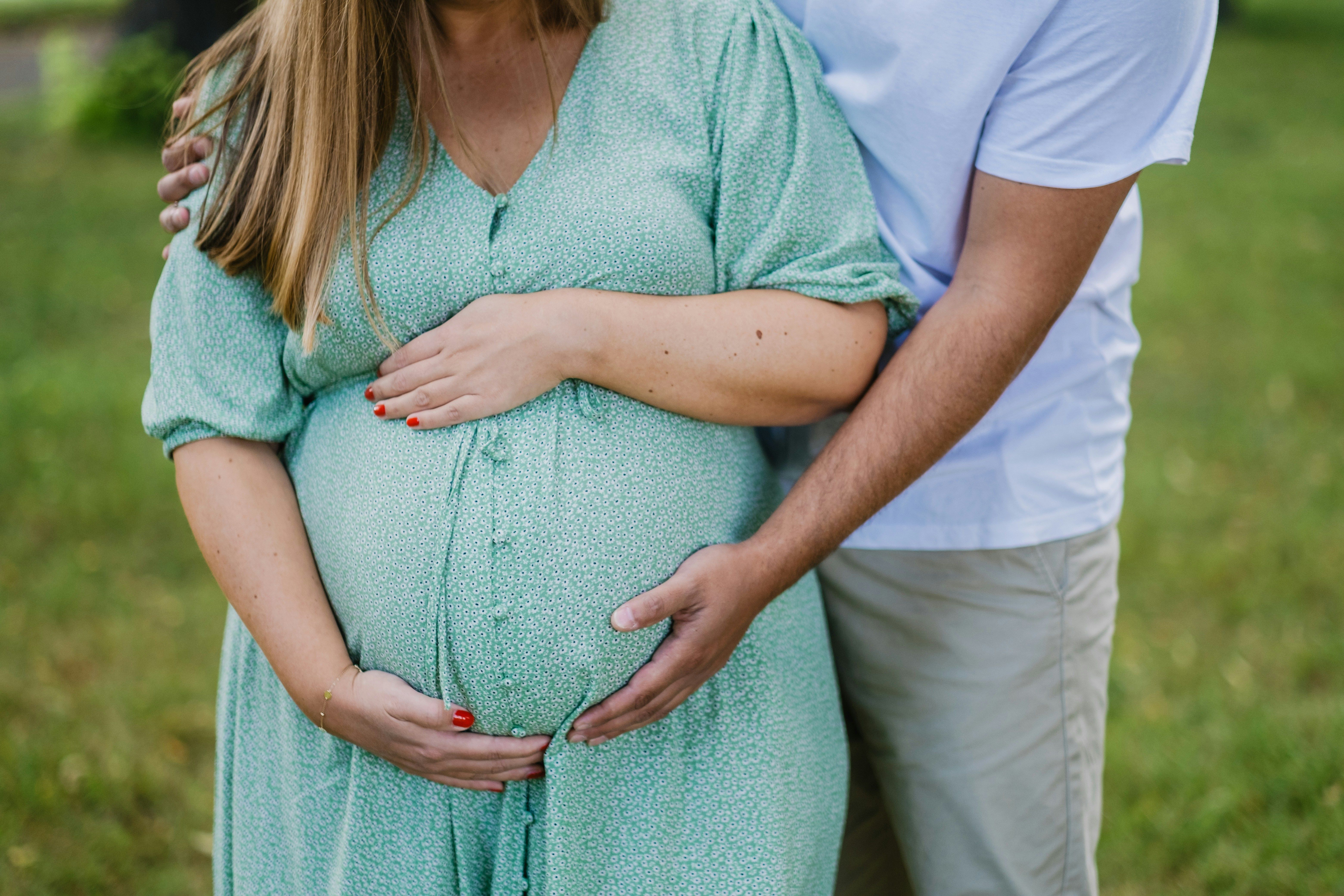
Pregnancy
The main principle is the quality of food, not quantity. In the first trimester, the calorie requirement practically does not change, and in the second and third trimesters it increases by only 300-500 kcal. In the early and late stages, it is important to build a rational and correct menu, and not just increase the volume of food.
The diet should be varied, with an emphasis on nutrient density. The menu is formed taking into account the weeks of pregnancy and includes products from the nutrition group for pregnant women.
The main nutrients:
- Folate and iron — prevention of anemia and support of the nervous system of the fetus. Foods containing folic acid: greens, legumes, buckwheat. Deficiency can cause complications in the early stages.
- Protein is the building material of tissues. Sources: meat, poultry, fish, eggs, cottage cheese, cheese.
- Calcium and vitamin D — the development of fetal bones and teeth. It is especially necessary during periods of active growth. Sources: dairy products, cheeses, nuts.
- Fiber — prevention of constipation. The base consists of fruits and vegetables.
In the early stages, digestion is often accompanied by changes in appetite and sensitivity of the gastrointestinal tract, therefore, fractional nutrition, food intake adjustments and avoidance of fatty foods are recommended.
Rational nutrition does not imply a strict diet, but a flexible approach: it is important to choose the right food.
Breastfeeding
During lactation, energy consumption increases: an additional 500-700 kcal per day is required. However, the key remains a rational and proper menu, not the amount of food consumed.
Myths and facts:
Myth: you need to eat for two.
Fact: you should eat for two people — consciously and in a balanced way.
Myth: there is a strict diet of a nursing mother.
Fact: there are no universal prohibitions, it is important to observe the reaction of a small organism.
Recommendations:
- maintain a drinking regime;
- keep a variety of menus;
- avoid alcohol, fast food, and foods with high sugar content;
- new foods should be consumed gradually.
The quality of breast milk depends on your overall health, not on the amount of food you eat.
Recovery after childbirth
The recovery period after childbirth is a stage that every woman has gone through in her own way. Here, the doctor's recommendations, gradualness and support of the body are especially important.
The diet during this period:
- must remain rational and correct;
- include fish, lean meat, cottage cheese, legumes;
- maintain water balance.
Physical activity is introduced gradually, and nutrition is adjusted based on well-being. The diet should be saturated with nutrients and adapted to current needs.
Healthy eating is not a temporary measure, but the basis for the future well—being of mother and child.
At the Kandinsky Clinic, we provide full medical service, advise, explain the results of tests and help with examinations. The clinic adheres to the principles of evidence-based medicine and a multidisciplinary approach.