Peptides: What do I need to know?


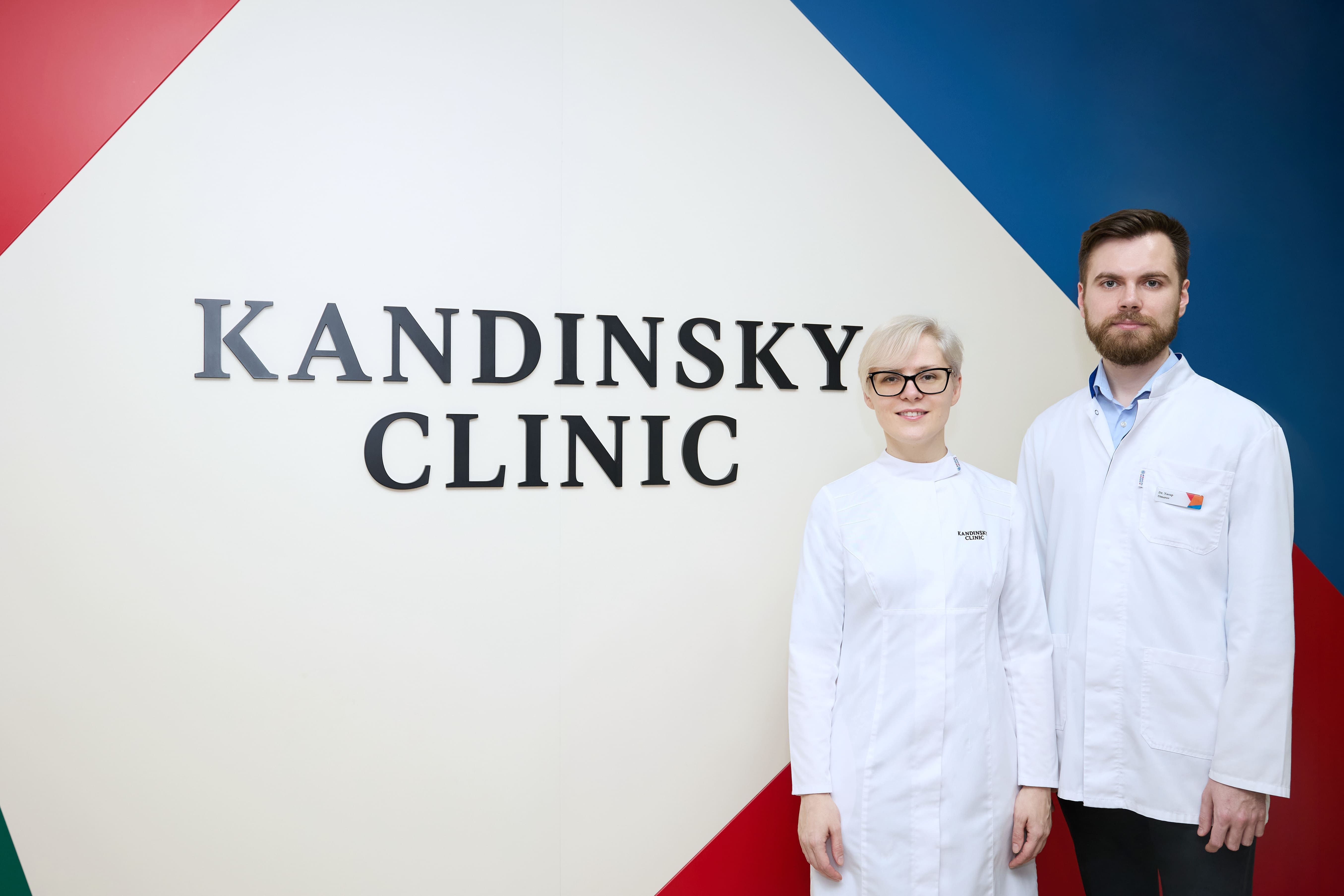
Not all peptides are equally useful. How to distinguish evidence-based medicine from marketing? The head physician and deputy chief physician of the Kandinsky Clinic explain Olga Polikina and Yusup Omarov
What are peptides?
Peptides are short chains of amino acids that work inside the body as signaling molecules that trigger processes in the body's cells. Peptide drugs are used in medical practice, but not every one of them is officially registered and studied as required by safety standards.
Which peptides are useful
In Dubai, in some cases, drugs can be made according to an individual prescription within the framework of applicable regulatory requirements. However, individual manufacturing is not equivalent to registration of a medicinal product and does not replace clinical trials.
The Kandinsky Clinic strictly adheres to the principles of evidence-based medicine. This means that each treatment method that we offer has gone through clinical trials and has received official approval from international and local regulators.
In peptide therapy, we use only registered medications (these are GLP‑1 receptor agonists and dual GIP/GLP‑1 receptor agonists). If a substance does not have enough reliable data on efficacy and safety in humans, we do not prescribe it, regardless of its popularity.
It is important to understand the difference
The official registration of a medicinal product means that the manufacturer has conducted a full cycle of clinical trials on humans, confirmed its effectiveness and safety, and state and international regulators have checked and approved this particular molecule, dosage, and indications.
A substance manufactured by a pharmacy (including in the form of an injection pen) is not the equivalent of registering a medicinal product, and its manufacture by a pharmacy does not mean that reliable data on human efficacy and safety are available for this substance, its dosage, form of administration, and indications.

Why it's important for your health
For most of the "regenerative" and "anti-age" peptides that are popular today (for example, BPC-157 and the like), the situation in the global evidence base looks like this:
- There are not enough reliable clinical studies to confirm efficacy and safety in humans.
- There are open questions about safety at the cellular level, including concerns about the impact on vascular growth and cell proliferation. These processes, in particular, are also involved in the growth of tumors. The association of such peptides with cancer in humans has not been established, but the available data is insufficient to reliably assess long-term risks.
Custom-made drugs may not undergo the same amount of standardization of production and quality control as industrially registered medicines. Therefore, their composition, stability, and reproducibility may be less predictable.
What are the dangers of peptides for the body?
Uncontrolled peptides do not pass regulatory checks, which means they can be truly dangerous to human health and harmful to the functioning of body systems. The main dangers of peptides for the body are allergic reactions, hormonal failure and uncontrolled tissue growth.
Endocrinologists and evidence-based medicine specialists around the world agree that untested peptide protocols are harmful to the endocrine system and dangerous if taken for a long time. That is why at the Kandinsky Clinic we openly talk about the harm that untested protocols for taking peptides can cause to the human body, and why such drugs can be dangerous and harmful to health without proper monitoring.
Any promises of instant results from peptides should be double-checked. Rapid recovery from injury, weight correction, or slowing down aging are the promises that are often associated with peptide courses.
However, before you start using any such drug yourself, it is important to understand that not all of them are equally safe and studied. On the clinic's website and at a face-to-face consultation, our doctor will help you figure out whether a specific protocol can be recommended specifically for you, and whether it is worth trying it at least once without a preliminary examination.
We recommend that you do not use untested peptide supplements without a doctor's prescription and laboratory supervision. Even if the manufacturer claims a natural composition, the potential harm from uncontrolled intake may significantly exceed the expected benefit. A reasonable approach is to trust specialists who rely on evidence—based medicine rather than marketing promises.
Our principle
We consider it important to offer patients treatment methods that are clinically proven to be effective and safe, and to help them make informed choices among the available options. Therefore, at the Kandinsky Clinic:
We prescribe peptide and biological medicines that have sufficient clinical data and registration for appropriate indications.
We tell patients honestly if the drug they have requested is not proven safe, and explain which registered alternatives exist.
We monitor updates from international and local regulators to ensure that our treatment protocols always comply with current clinical guidelines.

How is the consultation at the Kandinsky Clinic going?
Before prescribing anything, the specialists of the Kandinsky Clinic study the patient's health history, collect the results of laboratory tests and assess the associated risks. This approach allows us to exclude cases when the potential benefits of therapy do not justify the possible consequences for the body. We also explain to patients on the basis of which international recommendations and clinical protocols a decision is made so that a person can make an informed choice rather than relying on unverified information from social networks or forums.
International regulators such as the FDA and the EMA regularly update the list of peptide compounds whose use is limited due to a lack of long-term safety data. This means that even a drug that seems promising today may be excluded from clinical practice tomorrow after new research appears. We are monitoring these changes and reviewing treatment protocols so that patients at the Kandinsky Clinic receive only relevant and proven solutions.
Do we use peptides?
We use registered medicines based on peptide molecules, the effectiveness and safety of which have been confirmed by clinical studies. For example, these are GLP‑1 receptor agonists and dual GIP/GLP‑1 receptor agonists used according to appropriate indications.
If you have heard of a peptide protocol and want to know if it has proven efficacy and safety, contact our doctors. We will help you understand the data and possible alternatives.
If you are already undergoing peptide therapy elsewhere and have doubts about its safety, we are ready to conduct an independent assessment and, if necessary, suggest an alternative, evidence-based protocol.