Rhinovirus in children: symptoms and treatment

Rhinovirus in children is one of the leading causes of acute respiratory infections. This is not a separate disease, but a virus that most often causes what is commonly called a cold.
It provokes a runny nose, sore throat and cough, but in most cases the disease is mild. Treatment is aimed at relieving symptoms and supporting the body: there are no specific antiviral drugs against rhinovirus. In most cases, the infection in children resolves on its own in 7-10 days.
What is rhinovirus?
Rhinovirus is an RNA-containing virus from the picornavirus family.
It affects the mucous membrane of the nose and upper respiratory tract, causing inflammation and characteristic symptoms of the common cold. There are more than 160 serotypes of rhinovirus, which explains why many (especially children) get it over and over again — immunity after infection does not protect against other types.
According to the data researches Italian scientists from the University of Milan, published in the Journal of Clinical Virology (Principi et al., 2015), rhinovirus is one of the most common pathogens of viral respiratory tract infections in children under 2 years of age. At the same time, the infection is asymptomatic in 64% of children.
How is rhinovirus transmitted?
Rhinovirus is transmitted by airborne droplets through contact with sick people, as well as through objects such as toys, dishes, and door handles. The virus persists on surfaces for up to several hours. That is why rhinovirus in children spreads so easily in kindergartens and schools.
Symptoms of rhinovirus in children
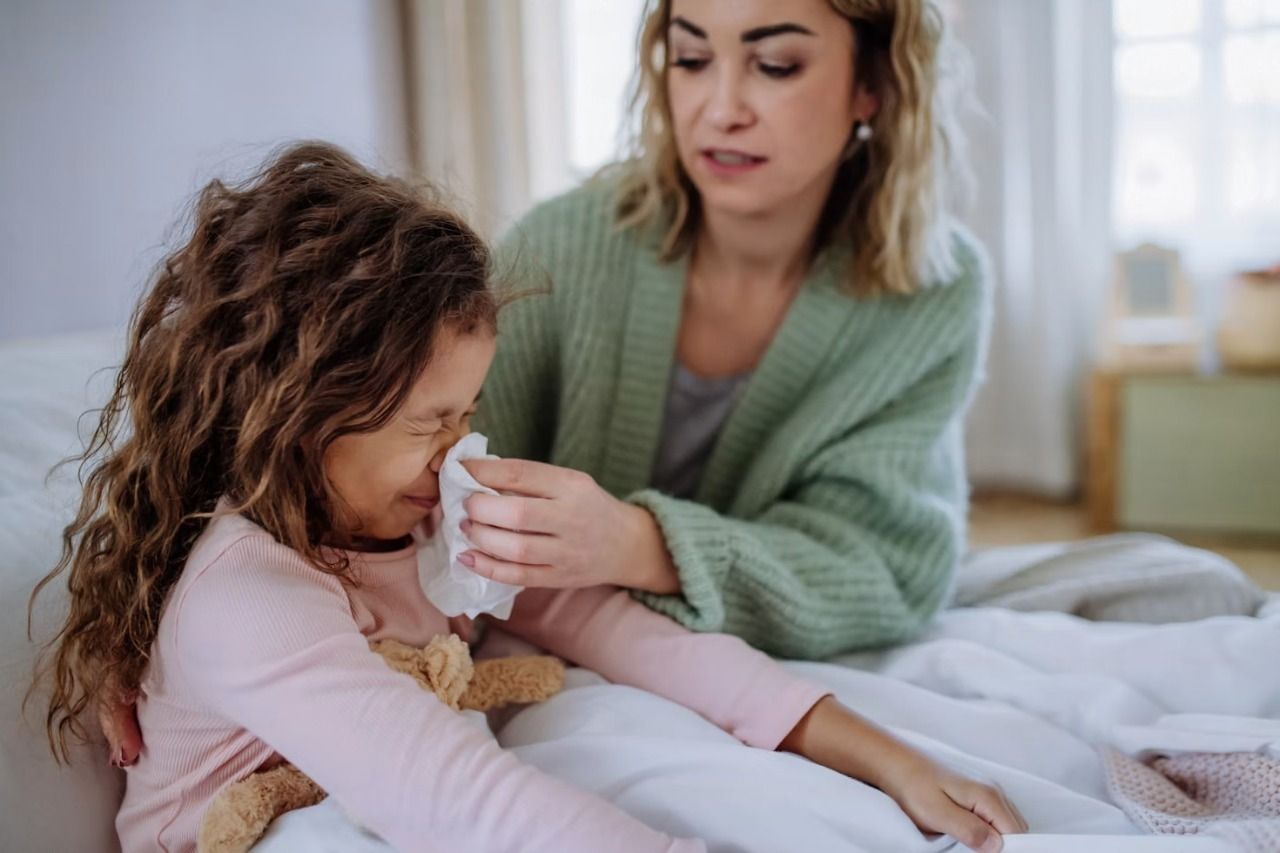
The symptoms of rhinovirus infection appear 1-3 days after infection. Typical signs:
- copious watery discharge from the nose, which may later become thick;
- nasal congestion;
- sneezing;
- tickling and slight sore throat;
- cough;
- lacrimation;
- a slight increase in temperature — up to 37.5 ° C, rarely higher;
- general weakness, decreased appetite.
In children under one year of age, the symptoms may be more acute: difficulty in nasal breathing interferes with feeding, and the child becomes restless.
It is important to distinguish the symptoms of rhinovirus in children from the flu: with the flu, the temperature rises sharply and high, intoxication is pronounced. Rhinovirus infection is characterized by a predominant lesion of the nasal and oropharyngeal mucosa.
How long does rhinovirus last in a child
The illness caused by the virus usually lasts no more than 1-2 weeks. The acute phase of infection in children lasts on average 7-10 days.
Even when the symptoms have passed, the child may be infected for up to two weeks — this is important to consider when in contact with other children.
If the illness lasts longer than 14 days or the condition worsens, it is better not to postpone the visit to the pediatrician.
How to treat rhinovirus in a child
As noted above, there is no specific treatment for rhinovirus. The main task is to alleviate the symptoms and strengthen the body.
Basic recommendations:
- Rinsing the nose with saline solution helps to cleanse the mucous membrane and reduce congestion.
- Drinking plenty of water keeps the mucous membrane hydrated and helps to cope with the infection faster.
- Humidifying the air makes it easier to breathe (especially important in Dubai, where air conditioners dry out the air a lot)
It is necessary to give medicines to children, especially when it comes to infants, under the supervision of a doctor and in compliance with all dosages and recommendations.
Antipyretics are recommended to be used only at temperatures above 38 °C and according to age.
Vasoconstrictor nasal drops can be prescribed in a short course (no more than 3-5 days) to facilitate breathing.
Antibiotics are prescribed only if there is a confirmed bacterial complication. It is impossible to cure a rhinovirus infection with the help of antibiotics — it is an RNA virus that they do not act on.
Vladislav Tkachenko, pediatrician-neonatologist at the Kandinsky Clinic:
"At the reception, parents often ask if it is possible and necessary to treat rhinovirus with some special drugs. In most cases, no. The main thing is not to let the mucous membrane dry out: drink, rinse the nose, moisten the air. But I always ask you to pay attention to the dynamics: if the child does not feel better on the 3rd or 4th day or if new symptoms appear, it is better to consult a doctor without waiting for serious deterioration.".
When you need a doctor's help
It is worth contacting a doctor without delay if:
- temperatures above 38.5°C last from three days;
- the child refuses to eat and drink;
- shortness of breath and rapid breathing appeared;
- the symptoms do not go away for more than 10 days or increase;
- any of the signs of acute respiratory viral infections appeared in a child under the age of 3 months.
Complications of rhinovirus infection
In most children, rhinovirus passes without consequences. However, in some cases, complications develop against its background.
The most common are acute otitis media, sinusitis, bronchitis and exacerbation of bronchial asthma. Children with allergic diseases and predisposition to bronchospasm are especially vulnerable.
Rhinovirus in Dubai
In the UAE, rhinovirus is active almost all year round. Dry, air—conditioned air reduces the protective functions of the mucous membrane, and concentrations of children in enclosed spaces — especially during the extremely hot season - contribute to the rapid spread of the virus.
Treatment of rhinovirus at the Kandinsky Clinic
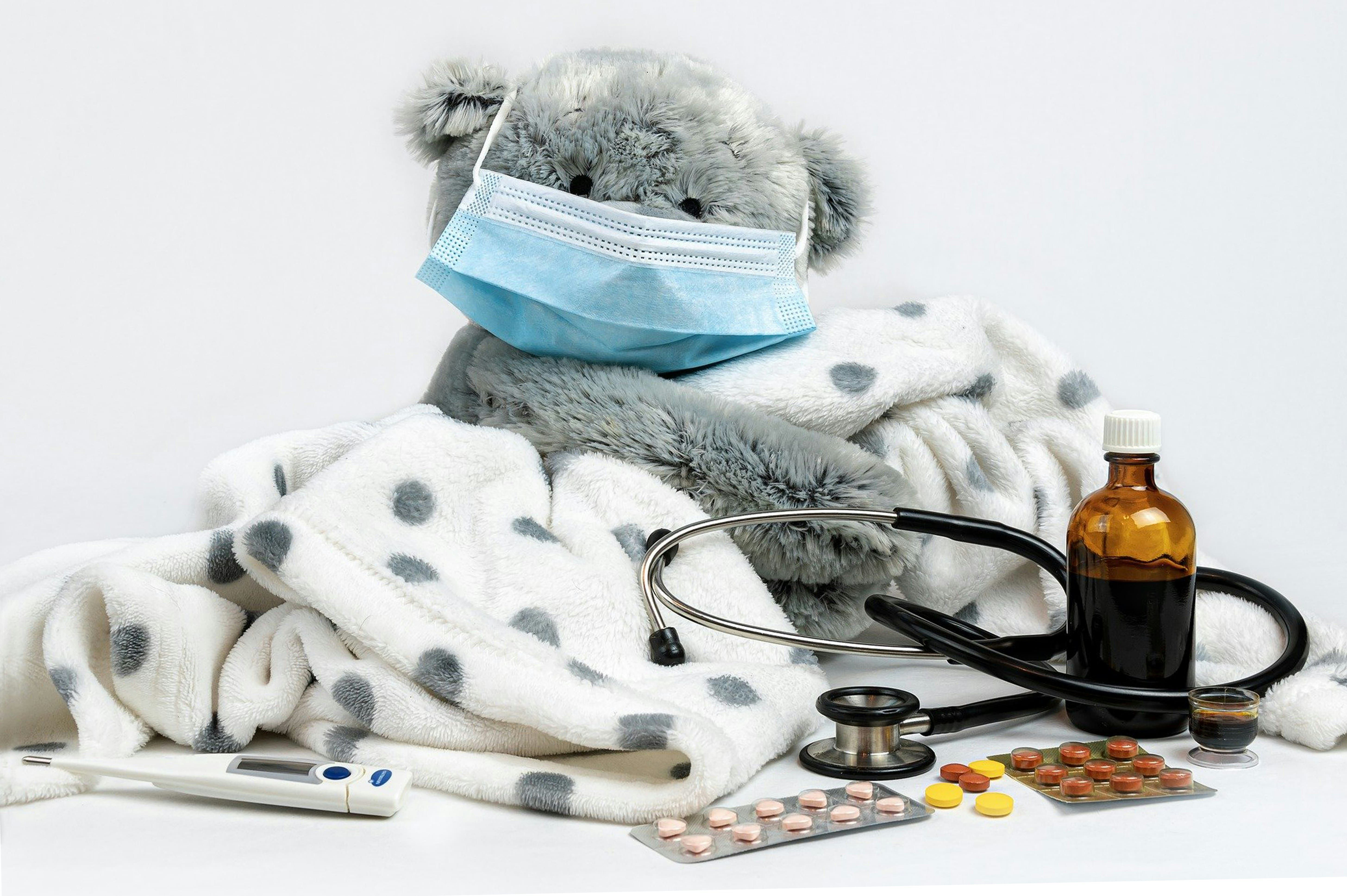
If a child has alarming symptoms and you are not sure how to act, the pediatricians of the Kandinsky Clinic will help you figure it out.
The Children's department of the Kandinsky Clinic is one of the largest Russian—speaking clinics in Dubai. There are three pediatricians, as well as a speech therapist, ENT, ophthalmologist, neurologist, psychologist, physiotherapist, allergist. This means that with rhinovirus with complications or related health issues, the child will not have to seek help in different places.
The clinic's admission is conducted in Russian. The doctor will examine the child and, if necessary, prescribe tests, which will be promptly performed directly in the laboratory at the clinic.
The work is based on the principles of evidence-based medicine: no unnecessary drugs, only reasonable treatment, taking into account the age and condition of the child. Arrange appointment with a pediatrician in Dubai You can use WhatsApp or by calling the clinic. +971 456 312 00 .