Diabetes Diagnosis and Treatment in Dubai
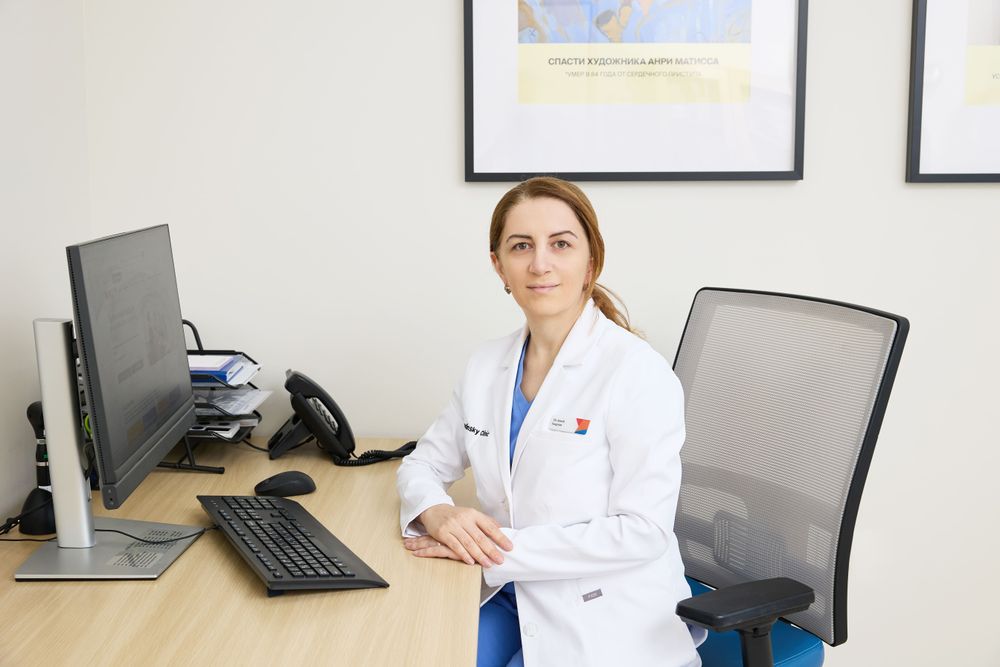
Diabetes diagnostics at Kandinsky Clinic answer the key question: is your carbohydrate metabolism normal? To determine if there are any issues, we assess blood glucose levels and other important indicators. This helps identify signs of insulin resistance, prediabetes, or diabetes. If the diagnosis is confirmed, we manage the patient and help keep these indicators under control.
Metabolic disorders often don't cause symptoms for a long time: a person feels well, but glucose levels are already higher than normal. Therefore, early diagnosis of carbohydrate metabolism disorders is recommended.
Who is it suitable for?
The examination is useful if:
- you are overweight or have excess weight around the waist,
- there are risk factors, such as diabetes in close relatives,
- you are over 35 years old and you haven’t checked your carbohydrate metabolism for a long time,
- I am bothered by constant thirst, fatigue, frequent urination,
- glucose, cholesterol or blood pressure were previously elevated.
The goal is to identify disorders while they are reversible, or to maintain indicators within target values if a diagnosis has already been made.
What is included in the examination?
We've compiled several options for a detailed examination, including for those who want to manage previously diagnosed diabetes or prediabetes. Your doctor will advise you on which option is best for you during your consultation.
For those who want to check carbohydrate metabolism, identify prediabetes and glucose metabolism disorders, and assess signs of insulin resistance and metabolic syndrome.
After consulting with your doctor, you can add continuous glucose monitoring to your package: this will show how your glucose levels change throughout the day.
For patients with a confirmed diagnosis, it helps monitor the condition and detect complications early.
Helps determine the type of diabetes when it's not obvious from the clinical picture. The results indicate whether the autoimmune process characteristic of type 1 diabetes is present.
How is the examination carried out?
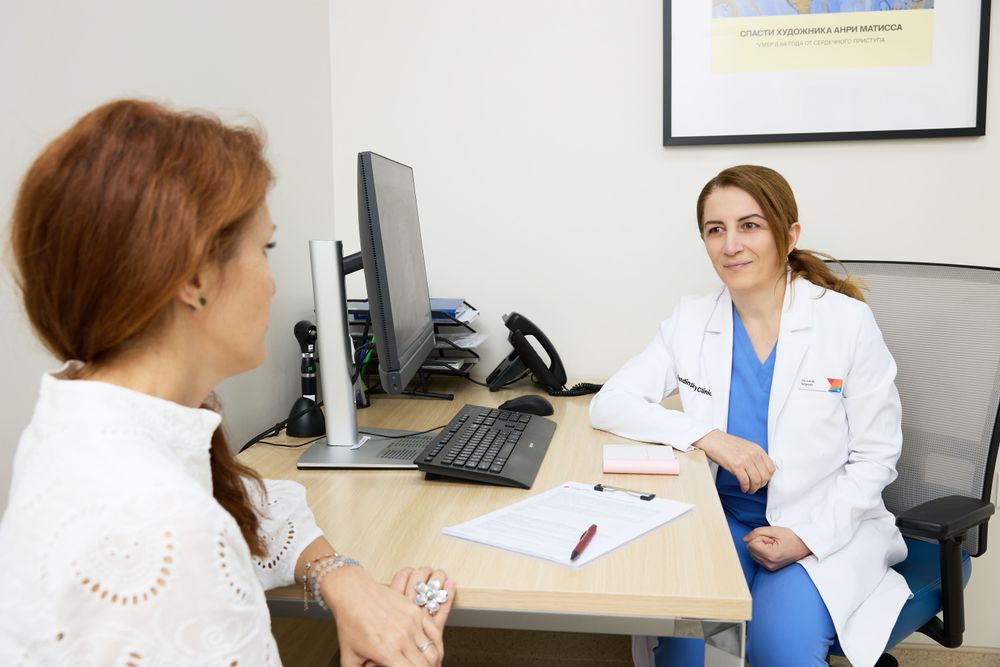
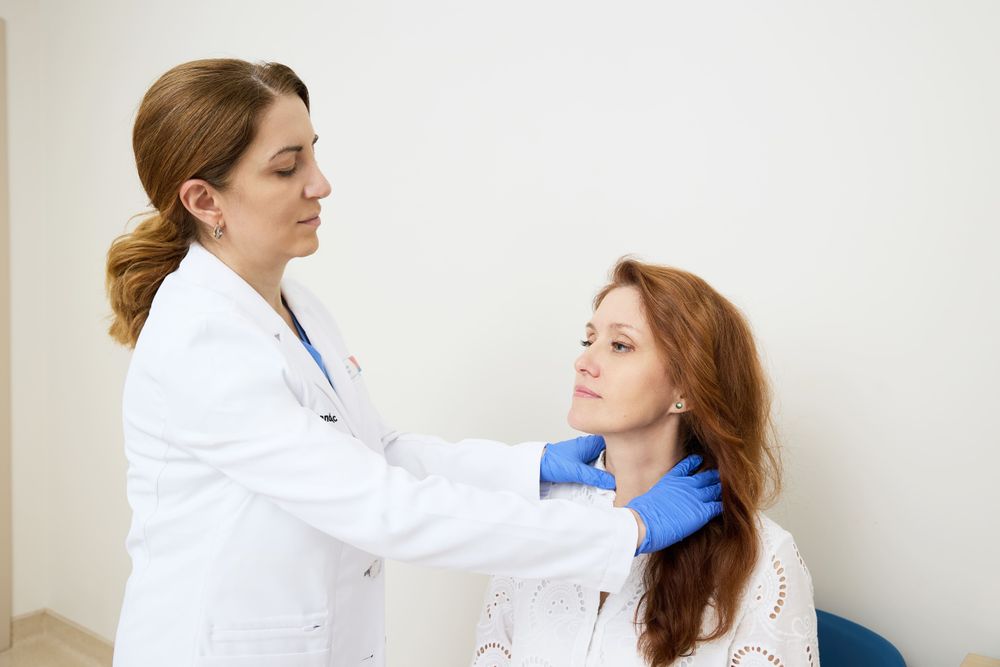
First visit: consultation with a general practitioner. The doctor discusses your symptoms, lifestyle, and risk factors, and selects a testing package. Tests under this program can be taken right at the clinic.
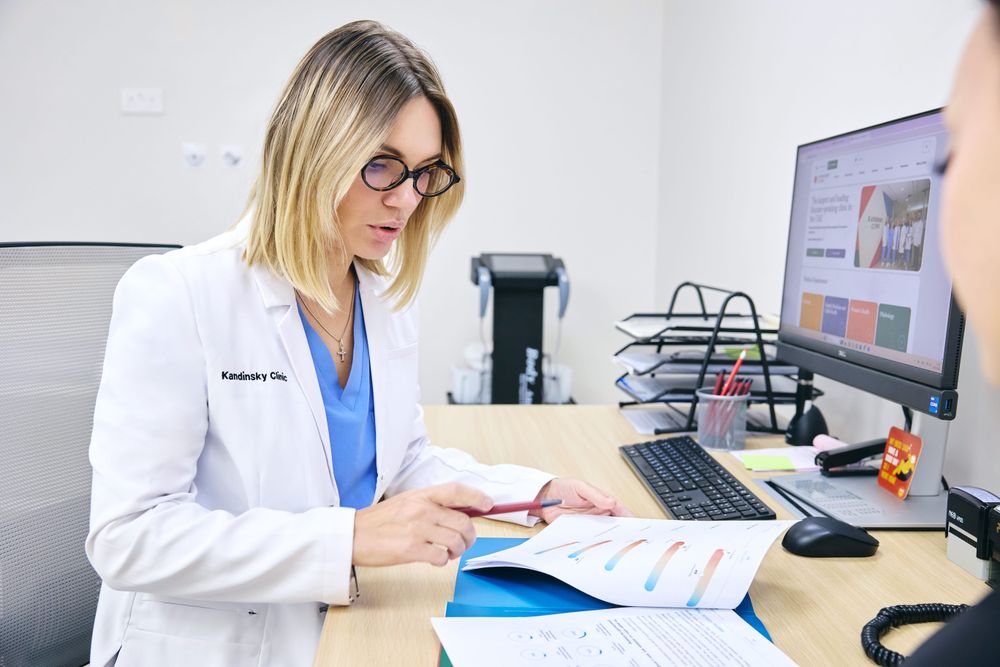
Follow-up visit: the doctor reviews the results, confirms or excludes the diagnosis and, if necessary, prescribes treatment and a monitoring schedule.
If you choose continuous monitoring, we install a sensor, you wear it for 10–14 days, and then Kandinsky Clinic specialists analyze the data.
Prediabetes and metabolic syndrome
Prediabetes is a condition in which glucose levels are already higher than normal but have not yet reached levels characteristic of diabetes. This prediabetic stage is still reversible: often, it's enough to adjust your diet, increase physical activity, and lose weight.
Metabolic syndrome is a combination of several conditions: excess waist weight, high blood pressure, elevated triglycerides, low HDL cholesterol, and elevated glucose. It increases the risk of type 2 diabetes and heart disease. Diagnosis of metabolic syndrome is part of our checkup programs: we assess not only glucose but also lipid metabolism, liver, and kidney function.
Why is differential diagnosis necessary?
Diabetes comes in different forms. In type 1 diabetes, the body produces almost no insulin due to an autoimmune process, while in type 2 diabetes, tissues respond less well to insulin and insulin production declines over time. The type is often clear based on age and symptoms, but not always.
If the diagnosis is ambiguous, for example, diabetes is diagnosed in a young person without excess weight, differential diagnosis is necessary: the type determines the treatment regimen, including whether insulin is needed from the start. We discussed the types of diabetes, their causes, and differences in more detail in the School of Health article.
Treatment and observation
Diabetes is a chronic condition: it can't be cured once and for all, but it can be managed and the risk of complications can be reduced. We tailor nutrition and physical activity, prescribe medications when necessary, and regularly monitor indicators to detect complications early.
What is continuous glucose monitoring?
Continuous glucose monitoring (CGM) is a way to track your glucose levels around the clock using a small sensor.
The coin-sized device is attached to the skin, and a thin sensor measures glucose in tissue fluid. The data is transmitted to a phone app and compiled into a daily graph.
Why monitor glucose levels?
A rise in glucose after a meal is a natural process. However, frequent and significant increases require evaluation by a doctor, and the risk of prediabetes increases with age. The graph shows how glucose is affected by food, sleep, stress, exercise, and meal timing. The same food can cause different reactions in different people, so dietary recommendations are tailored to the individual.
It is important to remember that sensor data complements a comprehensive examination, but does not replace laboratory tests for diagnosing diabetes.
At Kandinsky Clinic, we provide a sensor for 10–14 days. Then, a GP reviews the data and create a personalized nutrition plan tailored to your lifestyle.
Why people trust Kandinsky Clinic for diabetes diagnosis
- A general practitioner (GP) guides you through every step.
- Tests can be taken in the clinic's laboratory.
- The clinic offers various options for ready-made diagnostic packages, which the doctor selects based on your indicators.
- Our specialists can create a personalized nutrition plan based on CGM sensor data.
- We conduct post-diagnosis monitoring, which includes monitoring indicators and preventing complications.
Schedule a consultation with a general practitioner in Dubai via WhatsApp +971555660877 or call +97145631200.
International expertise in Dubai
Kandinsky Clinic — клиника экспертного уровня в Дубае. Наши врачи имеют клинический опыт работы в Германии, Нидерландах, Испании, Португалии, Великобритании и Австралии и опираются на международные клинические протоколы.
Клиника находится в Dubai Healthcare City — медицинском кластере, где работают ведущие больницы и клиники.