Sports Physiotherapy in Dubai
Licensed sports physiotherapist with experience working with professional athletes and Olympic champions in Dubai Healthcare City.
We treat injuries related to padel, tennis, golf, running, CrossFit, and many other sports.
Helping you return to training quickly and safely, with minimal risk of re-injury.
About the Department
Dubai is one of the world's most active sporting cities. Padel, tennis, golf, running, triathlon, and CrossFit are practiced year-round. As a result, sports injuries are far more common than many people realize. The heat affects muscles and ligaments, training loads continue to increase, and recovery time is often insufficient.
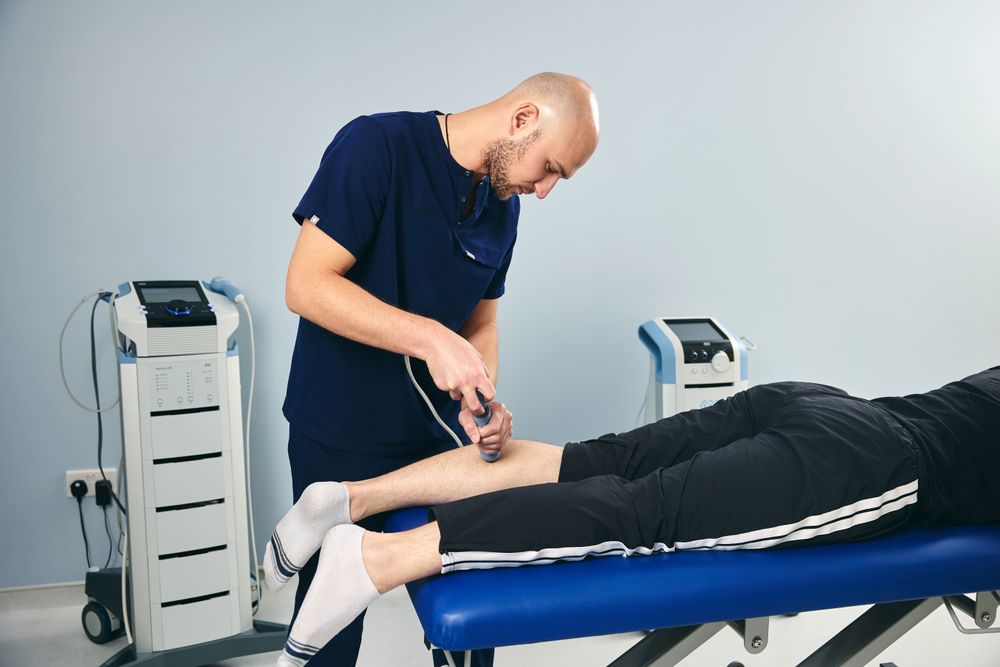
The sports physiotherapist at Kandinsky Clinic is a licensed specialist with more than 10 years of experience, including working with professional athletes and Olympic champions. He understands the physical demands of different sports and knows that successful recovery means more than simply eliminating pain—it means returning to full performance as quickly and safely as possible.
We treat not only the injury itself but also its underlying causes, such as muscle imbalances, faulty movement biomechanics, and chronic overload. This approach helps you return to sport while minimizing the risk of the same injury recurring. Every rehabilitation program at our clinic is based on evidence-based medicine.
When to See a Sports Physiotherapist
Pain during or after exercise should never be ignored. We identify the underlying cause and address it effectively.
The most common conditions we treat:
- Knee, shoulder, elbow, and ankle pain
- Sprains and ligament injuries
- Muscle strains and tendon inflammation
- Lower back and neck pain after training
- Post-operative joint rehabilitation
- Chronic injuries that fail to resolve
- Competition preparation and injury prevention
Padel & Tennis
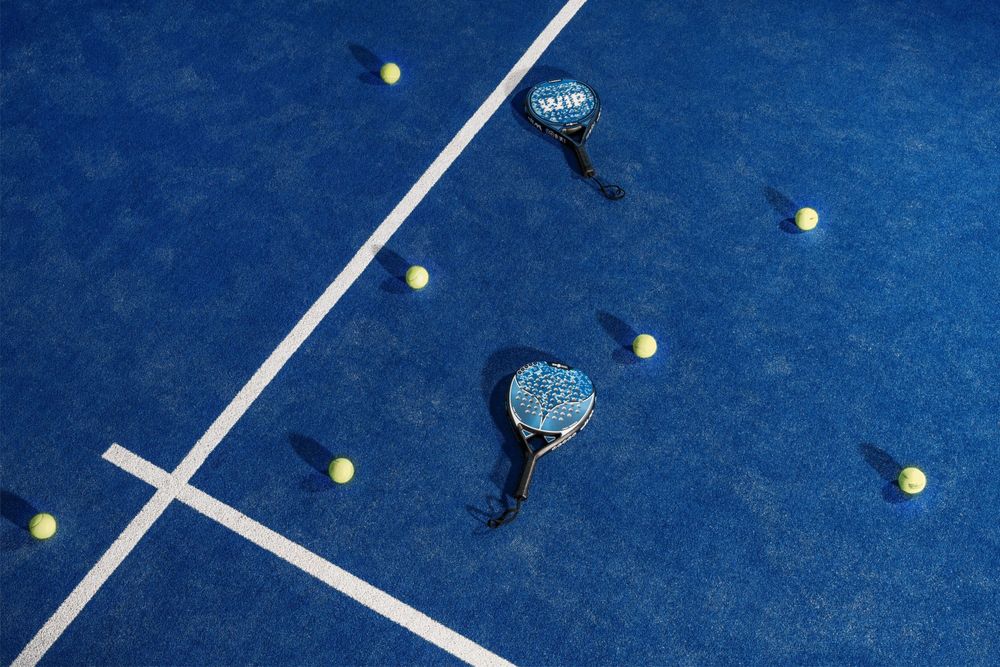
Padel is the fastest-growing sport in Dubai. Its high intensity, rapid direction changes, and repetitive strokes place significant stress on the joints and muscles.
Common padel and tennis injuries:
- Tennis elbow (lateral epicondylitis) — pain on the outside of the elbow during strokes
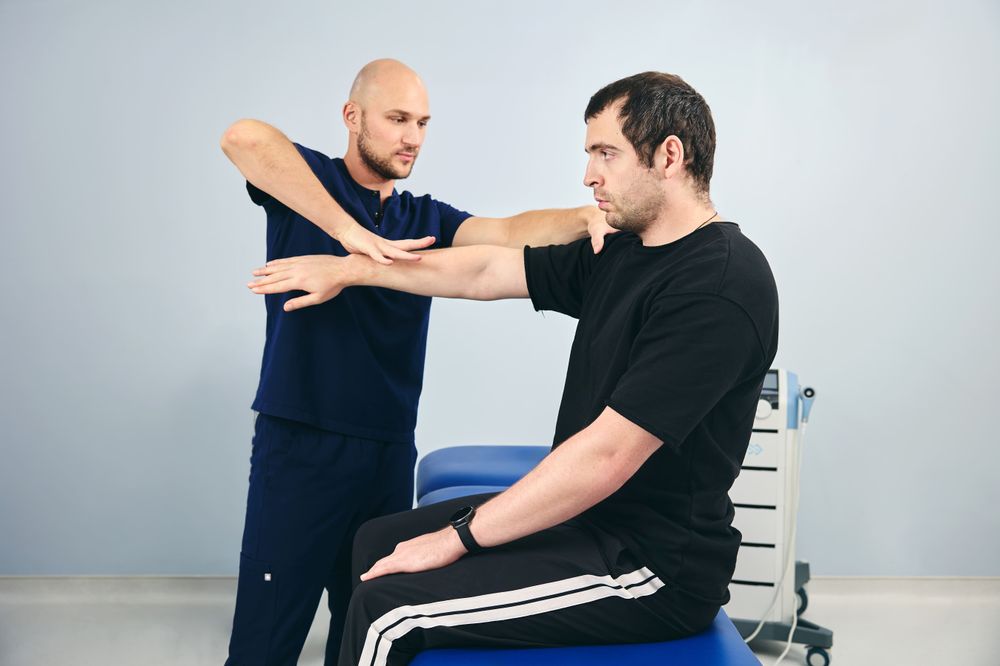
- Shoulder pain caused by impingement syndrome or rotator cuff injuries
- Ankle sprains and joint instability
- Knee pain, including IT band syndrome and patellar tendinopathy ("jumper's knee")
- Lower back pain associated with rotational movements
What we do: manual therapy, stroke biomechanics assessment, strengthening of the shoulder and knee stabilizers, kinesiology taping, and a structured return-to-play protocol.
Golf
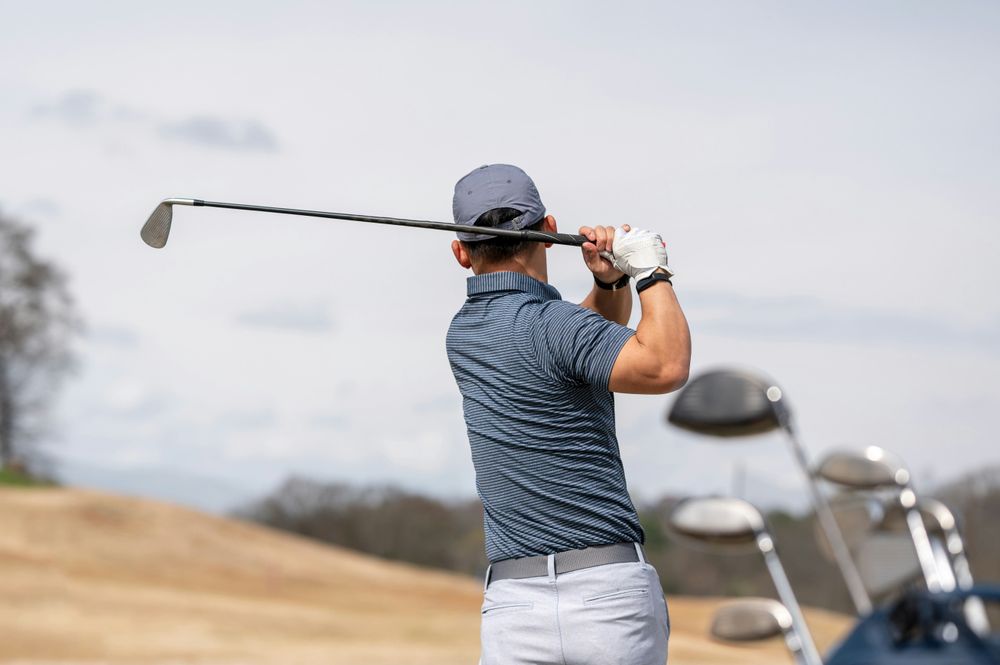
Although golf appears to be a low-impact sport, repetitive swinging places considerable stress on the lower back, shoulders, and elbows.
Common golf injuries:
- Lower back pain and sacroiliac joint dysfunction
- Golfer's elbow (medial epicondylitis) — pain on the inside of the elbow
- Rotator cuff strain and injury
- Carpal tunnel syndrome
- Neck and thoracic spine pain
What we do: improve thoracic spine mobility, strengthen the core, correct swing biomechanics, perform manual therapy, and develop personalized injury prevention programs.
Running & Triathlon
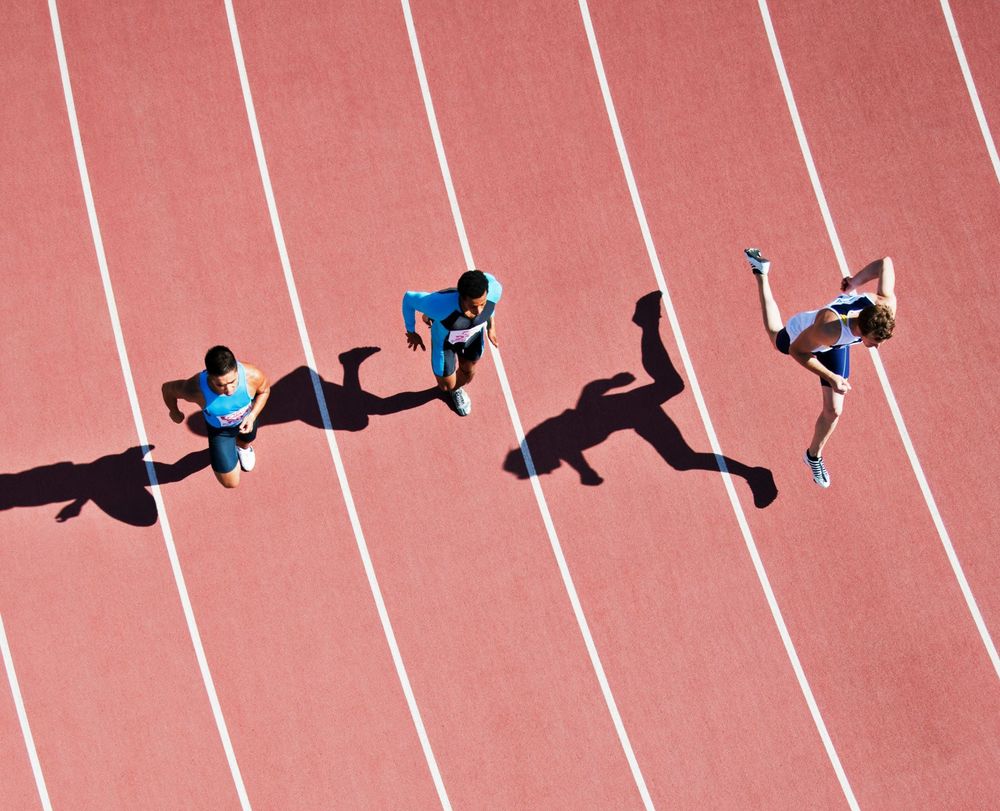
Running injuries are most often caused by overuse or poor biomechanics. We focus on identifying and correcting the root cause rather than simply relieving symptoms.
Common running and triathlon injuries:
- Plantar fasciitis — heel pain during the first steps in the morning
- IT band syndrome — pain on the outside of the knee during long-distance running
- Achilles tendinopathy
- Stress fractures and shin splints
- Runner's knee (patellofemoral pain syndrome)
- Hip pain
What we do: running gait analysis, foot and lower leg rehabilitation, strengthening of the gluteal muscles and core, and a gradual return-to-running protocol.
CrossFit & Strength Training
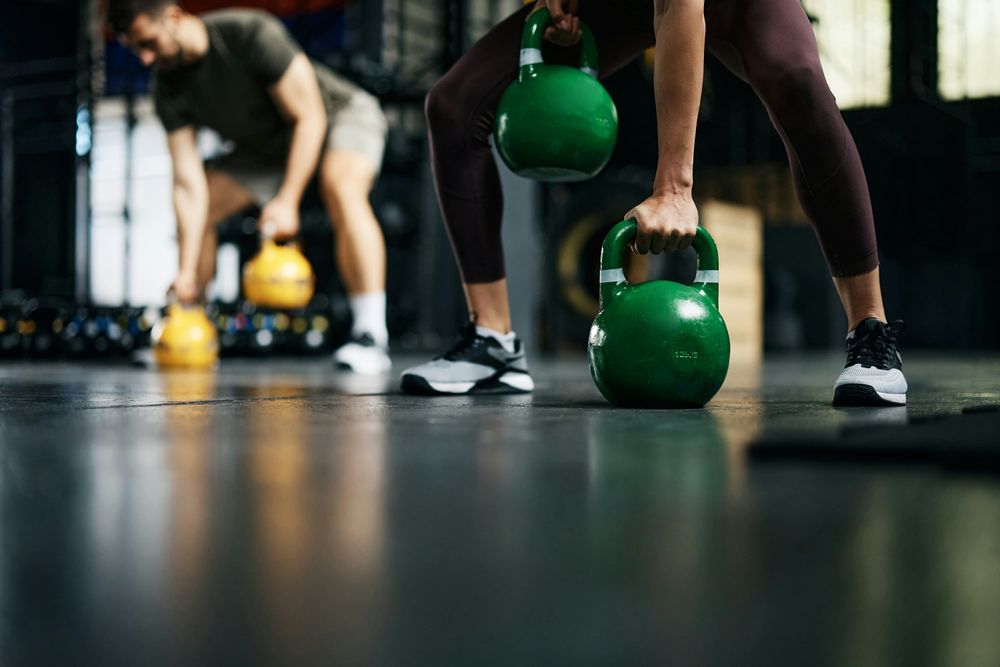
High-intensity training delivers excellent results but also increases the risk of both overuse and acute injuries.
Common CrossFit and strength training injuries:
- Shoulder pain and instability during presses and Olympic lifts
- Meniscus and ACL injuries
- Lower back pain caused by axial loading (deadlifts and squats)
- Muscle tears and strains
- Achilles tendinopathy associated with jumping exercises
What we do: improve joint mobility and stability, correct lifting technique, rehabilitate injuries, and provide structured return-to-training programs.
Swimming & Cycling
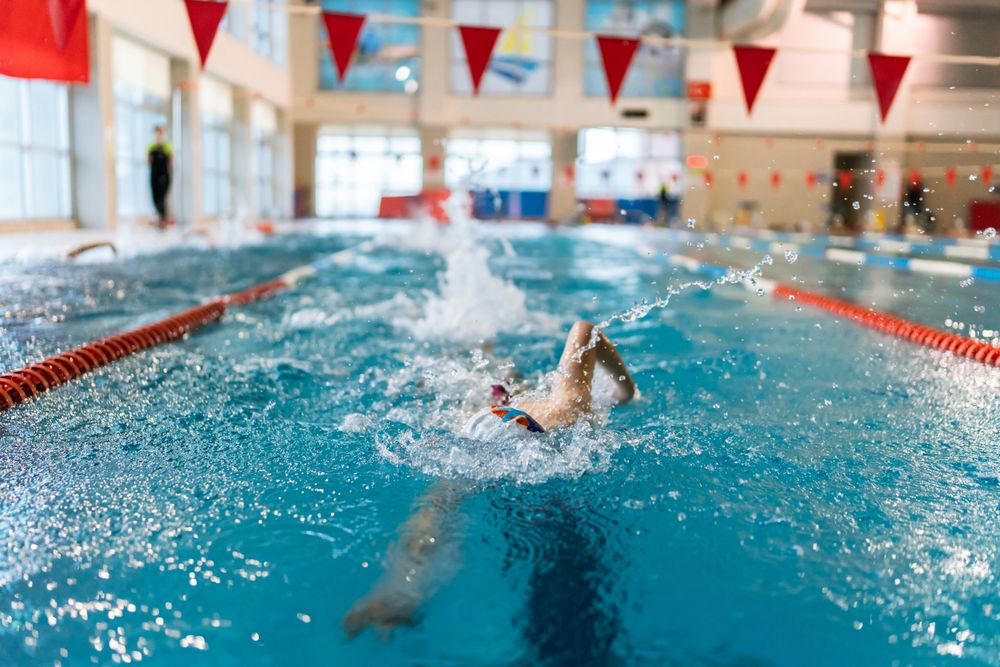
Swimming:
- Swimmer's shoulder (impingement syndrome, tendinitis)
- Neck and thoracic spine pain
Cycling:
- IT band syndrome and knee pain
- Lower back and neck pain during long rides
- Hand numbness and pain caused by carpal tunnel syndrome
- Hip pain while pedaling
- Knee overload associated with breaststroke swimming
What we do: bike fitting recommendations, improve hip and thoracic spine mobility, and strengthen stabilizing muscles.
Injury Prevention
The best injury is the one that never happens. We work with athletes not only during rehabilitation but also to prevent injuries before they occur.
Our injury prevention program includes:
- Functional movement screening to identify weak links before they become injuries
- Biomechanical analysis of running, golf swings, tennis strokes, and squats
- Personalized strengthening exercise programs
- Recommendations on training load, recovery, and warm-up routines
- Kinesiology taping before competitions
This program is particularly valuable for athletes preparing for marathons, triathlons, padel tournaments, or golf competitions in Dubai.
Our Approach
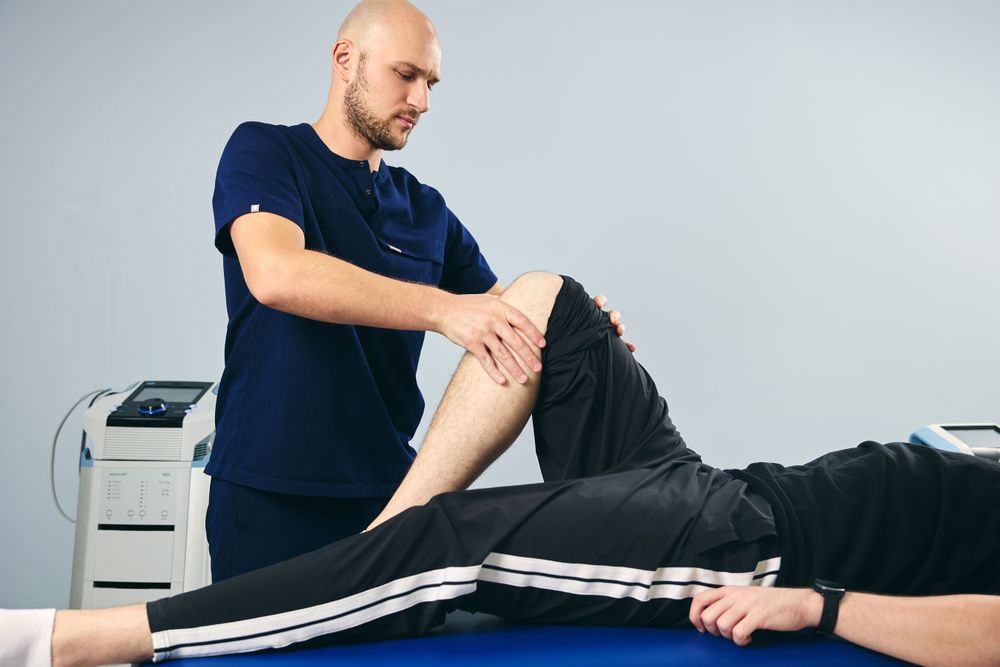
Sports physiotherapy and rehabilitation at Kandinsky Clinic involve much more than massage or heat therapy. We provide structured, evidence-based rehabilitation programs tailored to your sport, training demands, recovery goals, and individual needs.
Treatment programs may include:
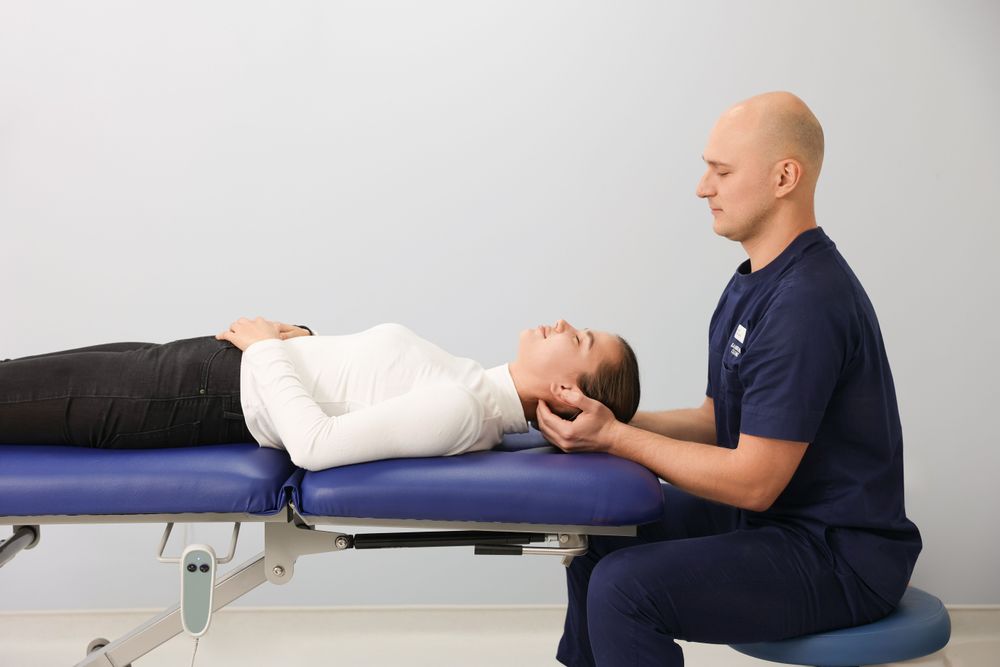
- Manual therapy and joint mobilization
- Myofascial release and therapeutic massage
- Therapeutic exercise focused on functional movement
- Post-isometric muscle relaxation
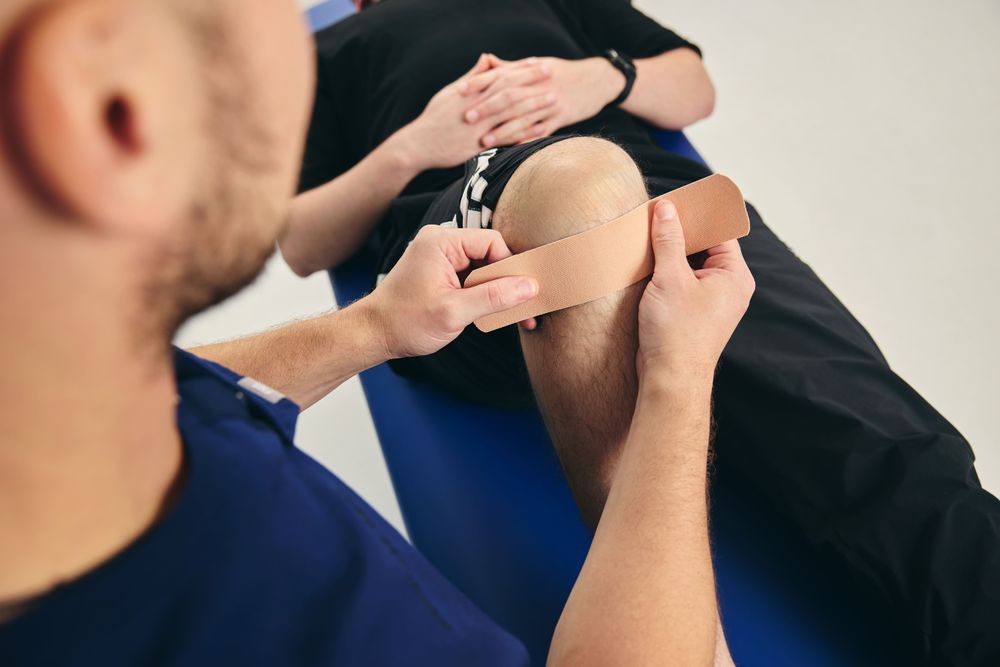
- Kinesiology taping
- Physiotherapy modalities, including therapeutic ultrasound
- Breathing mechanics training and core stabilization
The number of treatment sessions and your rehabilitation plan are determined individually during the initial consultation. Appointments can be booked by phone or via WhatsApp.