Braces or Aligners: Which to Choose for Teeth Straightening?

Aesthetics, comfort, cost, and clinical considerations are key factors when selecting an orthodontic system. Learn about the advantages and disadvantages of each option.
Understanding the Need
Malocclusion affects 60-70% of people. Correcting bite issues and aligning teeth not only enhances smile aesthetics but also prevents serious dental and jaw problems in the future. Modern orthodontics offers two popular and effective correction methods - braces and aligners, each with distinct features and benefits.
Understanding the Difference
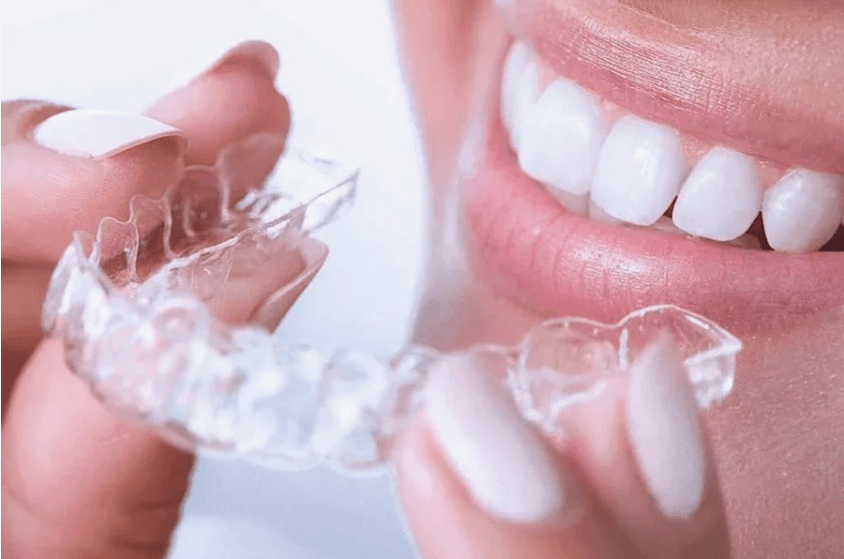
Orthodontic appliances are either removable or fixed. Aligners are removable systems, while braces are fixed appliances. Aligners are custom-made clear medical plastic trays created through 3D dental scanning. They gradually shift teeth position through gentle pressure. Braces consist of metal, ceramic, or sapphire brackets attached to teeth, connected by an arch wire that applies constant pressure for alignment.
Comparing Key Features
Aesthetics: Aligners are virtually invisible, making them ideal for appearance-conscious individuals. Braces are visible, though ceramic and sapphire options offer better aesthetics than metal.
Oral Hygiene: Aligners can be removed for teeth cleaning, facilitating better hygiene. Braces require meticulous care as food can become trapped between components.
Comfort: Aligners are soft and don't irritate oral tissue. Braces may cause initial discomfort and irritation to inner lips and cheeks.
Effectiveness: Braces are suitable for complex cases, including serious bite issues and significant tooth displacement. Aligners work well for simpler orthodontic problems but may require supplementary methods for complex cases.
Patient Compliance: Aligners require strict adherence to wearing schedule (20-22 hours daily). Braces work independently of patient discipline.
Treatment Duration: Average treatment time is similar for both options, ranging from 1 to 2.5 years. Braces may offer faster results in complex cases.
Cost Considerations: Metal braces are the most economical option. Ceramic and lingual braces, along with aligners, are more expensive. Treatment cost significantly depends on case complexity and duration.
Making the Choice
The decision between these orthodontic systems depends on your clinical case, personal preferences, and orthodontist recommendations. If minimizing discomfort and maintaining aesthetics are priorities, aligners might be more suitable. Braces are preferable for complex cases requiring highly effective treatment.
Consult with an experienced practitioner for diagnosis and optimal correction method selection. At Kandinsky Clinic in Dubai, specialists will help choose the best orthodontic system considering your preferences and dental characteristics.