Speech is one of the most important indicators of a child's development. Some babies start talking early, others later, but how do you distinguish an individual's rate of development from a speech disorder?
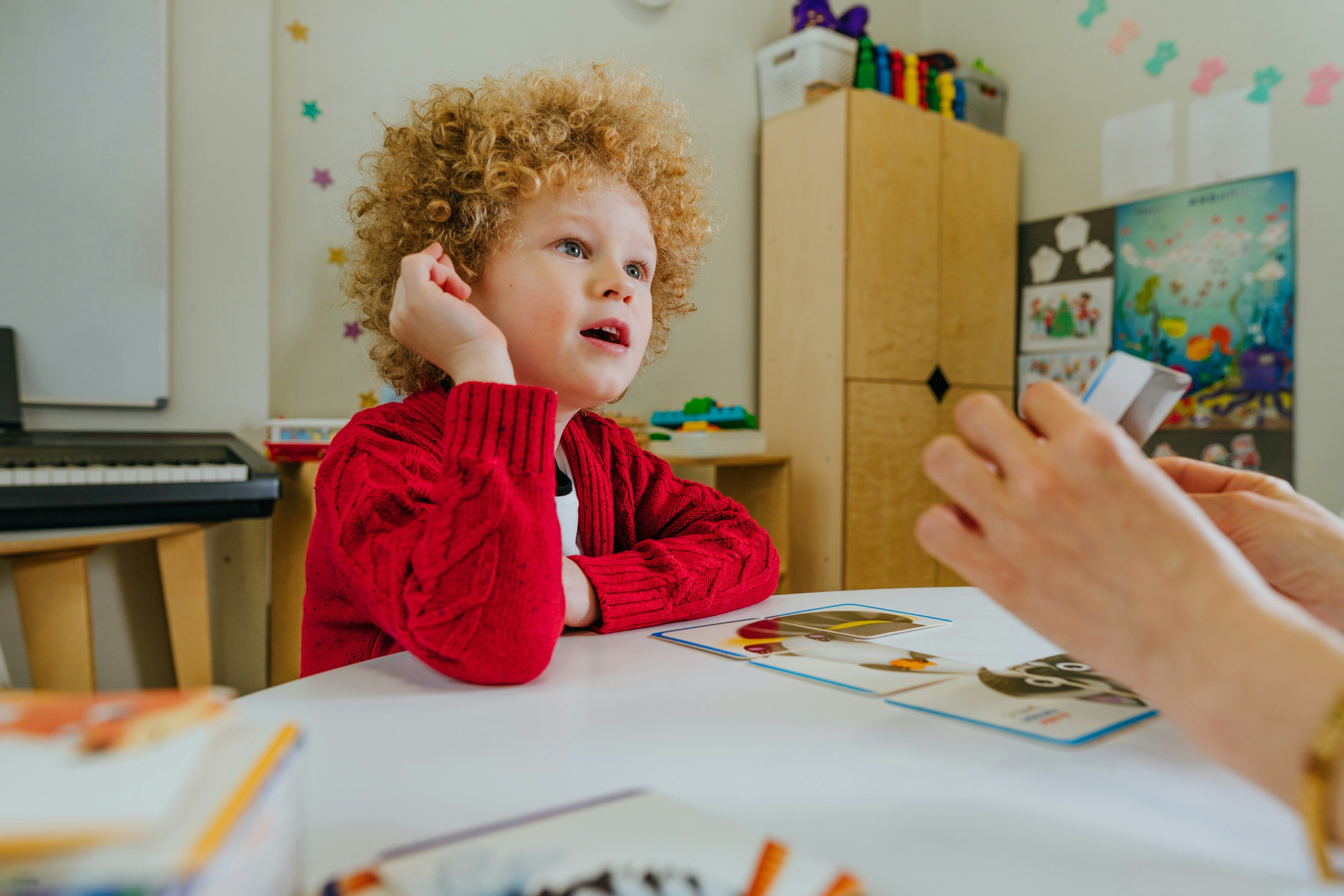
Evaluating age-related speech standards
Up to 6 months
- Humming, making a variety of sounds
- Reacts to mom's voice, smiles in response to speech
- Listens to sounds, distinguishes intonation
Alarm signals:
- Complete absence of walking, the baby does not react to sounds
6-12 months
- Babbles (repeats syllables: "ba-ba", "ma-ma", "yes-yes")
- Begins to understand simple words ("give", "mom")
- Reacts to his name, turns to the sound
Alarm signals:
- There is no babbling (the baby is silent or makes few sounds)
- Does not respond to name and spoken language
12-18 months
- The first words (about 5-10 words: "mom", "give", "av-av")
- He gestures to show what he wants
- Understands simple requests ("give me the ball", "show me the nose")
- Alarm signals:
- There is not a single word in 1.5 years
- Doesn't understand simple requests
- Does not use gestures to communicate
2 years old
- Minimum of 50 words in the active dictionary
- He begins to connect words ("mom, give it to me", "let's go, woman")
- Repeats after adults, imitates sounds
Alarm signals:
- In 2 years, there are less than 20 words
- Doesn't try to combine words
- Does not repeat the behavior of adults
3 years old
- Phrases of 3-4 words ("mom bought a ball", "I'm thirsty")
- Understands simple questions and answers them
- Asks questions ("where is Daddy?", "what is it?")
- He knows about 1000 words.
Alarm signals:
- There is no phrasal speech (speaks in monosyllables)
- He doesn't ask questions
- Speech comprehension is limited
4 years old
- Builds complex sentences ("I went to kindergarten today")
- Can I tell you a short story?
- Pronounces most of the sounds clearly
- Uses pronouns and prepositions correctly
Alarm signals:
- The vocabulary is very poor
- He speaks indistinctly, it is difficult for adults to understand him.
- Does not build long phrases
We pay attention to the alarm bells
If the child has at least 1 item from the list below, it is better to consult a specialist.:
- At 2 years old, there are no meaningful words
- At the age of 3, he speaks only in individual words, without phrases
- At the age of 4, speech is incomprehensible even to loved ones
- Does not understand the addressed speech
- Does not use gestures to communicate
- Does not respond to the name
- He often replaces words with gestures (for longer than is considered normal)
What should I do if there is a speech delay?
If you have any doubts, do not wait for it to "outgrow". It is important to contact a specialist in time:
- Speech therapist – to assess speech development
- Neurologist – if there is a suspicion of a delay in general development
- Sign language therapist – if there are doubts about hearing
In the Department of Neurology at the Kandinsky Clinic, we use evidence-based medicine and a multidisciplinary approach to identify and correct speech delay.
As part of an integrated approach, speech therapists, neurologists, and other specialists work together to identify effective strategies for helping each child.
Bottom line: when to sound the alarm?
- If at the age of 1.5 the child is silent and does not understand speech
- If he has less than 20 words at the age of 2
- If there is no phrasal speech at the age of 3
- If at the age of 4 his speech lags far behind his peers
Important: Each child develops at his own pace, but if something bothers you, it's better not to wait, but to consult a specialist. Early diagnosis and assistance are the key to normal speech development.