Smart gadgets for health: benefits and limits of possibilities


In recent years, smart gadgets for health have become tools capable of providing useful information for both ordinary users and medical professionals. However, it is important to understand that the importance of such devices depends on what they measure, how accurately, and how the information they receive is used.
The main types of wearable devices and their functions
Modern health monitoring devices vary not only in type and design, but also in terms of the depth of the analysis of physiological parameters. Despite the fact that all of them are united by one goal — to help a person better understand the state of their body, each type of device has its own characteristics, strengths and weaknesses.
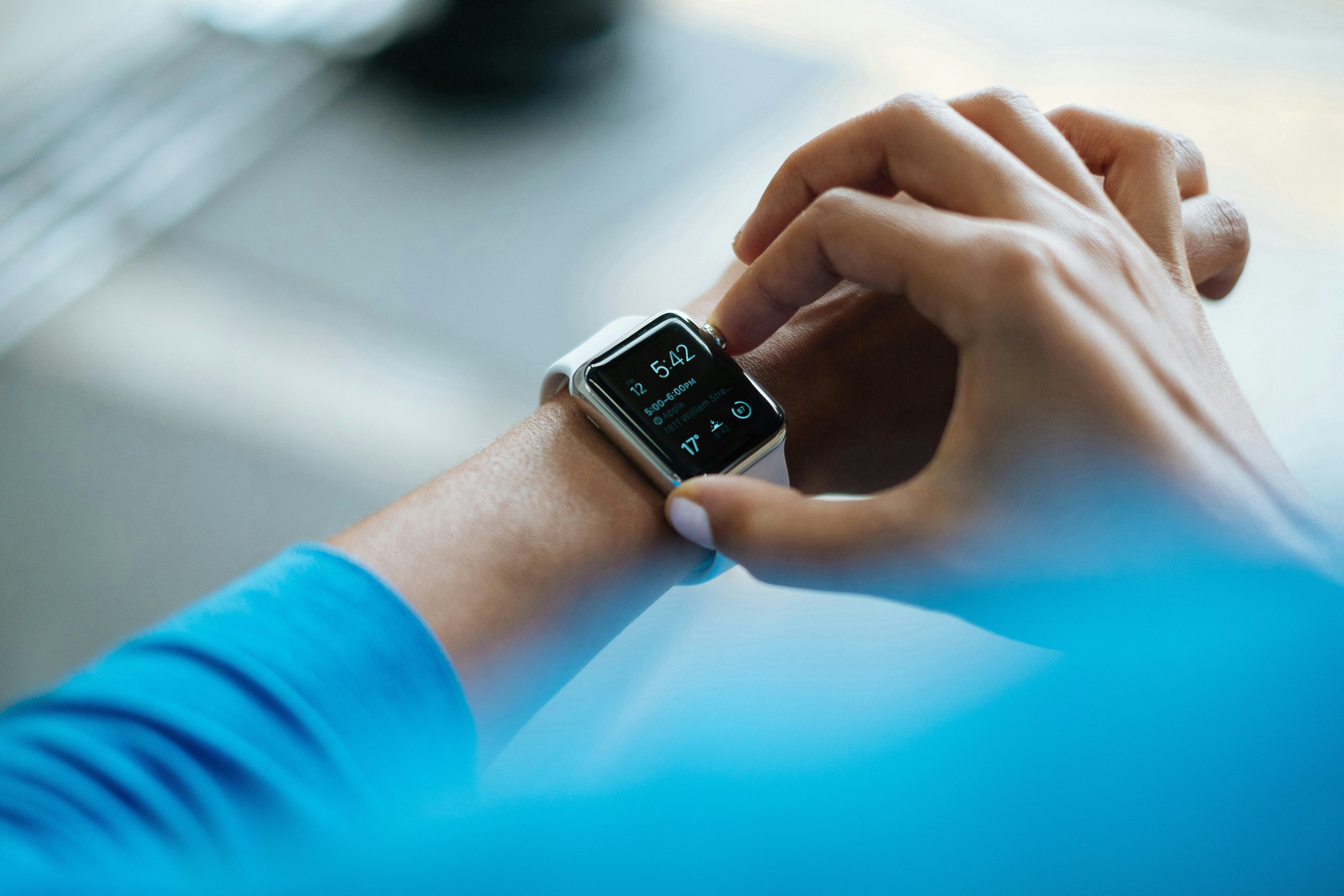
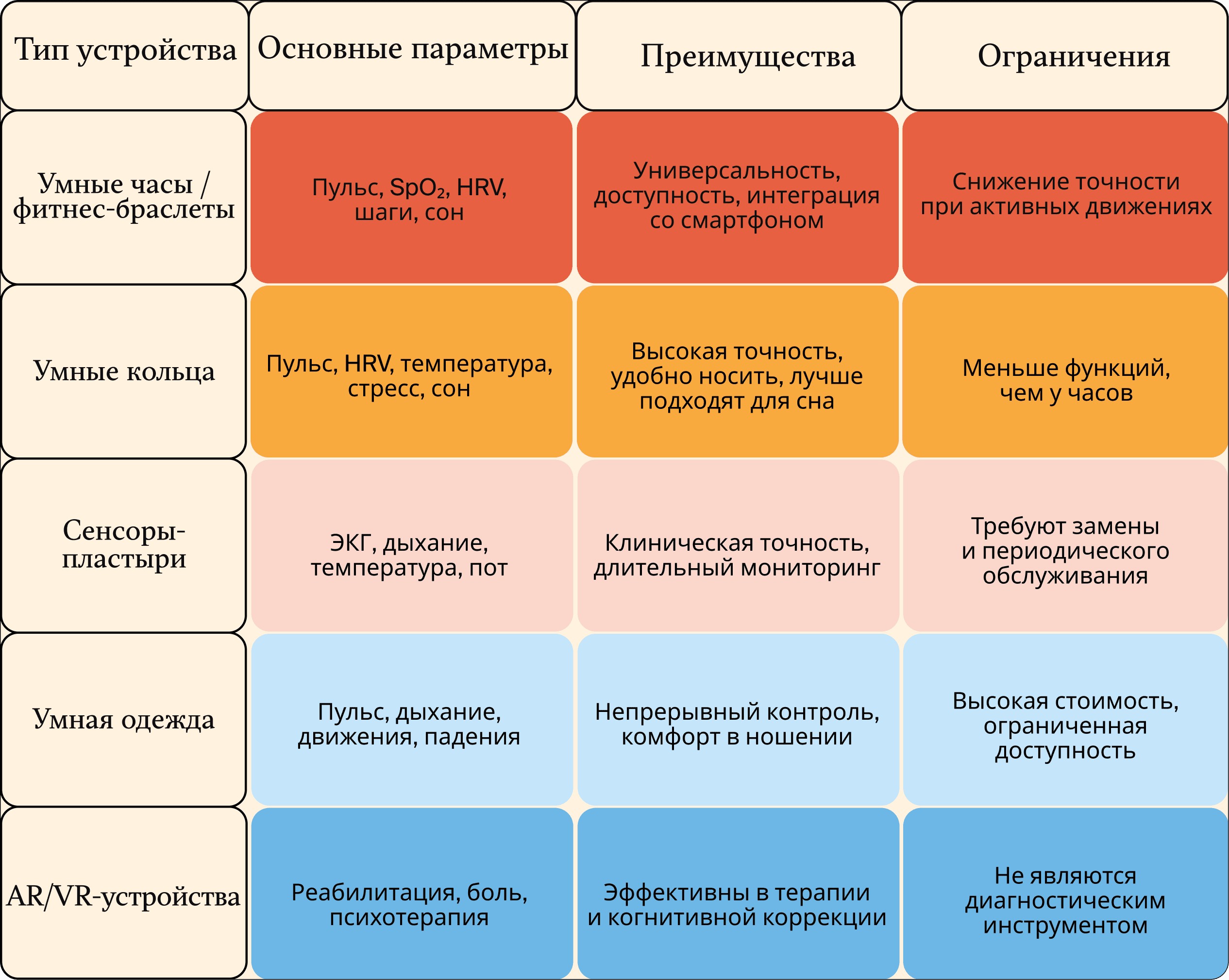
- Smart watches and fitness bracelets — the most common devices that millions of people wear every day. They measure your heart rate, pulse variability, number of steps, level of physical activity, and calories burned. Many models additionally determine blood oxygen saturation (SPO₂), sleep phases, and some even take a single—channel electrocardiogram. This makes them a convenient tool for basic monitoring of the cardiovascular system and overall activity levels.
- Smart Rings We have become a new wave in the field of personal health monitoring. They record pulse, heart rate variability, body temperature, oxygen saturation, stress levels, and sleep quality. Due to the tight contact with the skin of the finger, rings often provide more accurate measurement of pulse and temperature fluctuations than wrist devices. Scientific publications note that such rings are particularly promising for sleep analysis and early detection of stress conditions.
- Patch sensors they are used for more accurate medical monitoring. These thin devices are glued to the skin — for example, on the chest or shoulder — and record the electrical activity of the heart, skin temperature, breathing, sweating. In clinical studies, such sensors are used for long-term monitoring of patients with diseases of the cardiovascular and respiratory systems.
- Another promising area — smart clothes, which includes sensors and microchips. Technology already allows sensors to be integrated into T-shirts, stockings, underwear, and even shoes. Such products can continuously monitor pulse, breathing, body movements, and activity levels. Some models are able to detect falls in the elderly and automatically transmit a signal to loved ones or to the medical service. This makes smart textiles especially valuable for real-time health monitoring, without the need to wear additional devices.
- Smart Cuffs They are developing in the direction of non-contact measurement of blood pressure and other parameters of the cardiovascular system. They are not yet widely used in fitness and daily monitoring, but they are actively being tested for home use, especially in the elderly and patients with hypertension.
- In addition to wearable devices, the digital health system is gradually being integrated home smart gadgets Scales, mirrors, and even kitchen appliances that can analyze body composition, hydration levels, or the salt content of food. They do not relate directly to the "wearables", but complement them by creating a comprehensive picture of the state of health in real time.
- Medical diagnostic devices, such as WatchPAT, can detect sleep apnea at home. This device in the form of a watch and a finger sensor measures breathing, body position, sleep phases, blood oxygen saturation, pulse and overall sleep quality. Thanks to him, it is possible to determine in just one night whether there are stops of breathing during sleep (apnea) and how pronounced they are — without visiting a hospital and inconvenient wires.
Only a doctor can interpret the results. In our clinic, you can undergo a home sleep study using this device and receive a professional interpretation of the results and recommendations from a doctor.
- They deserve special attention augmented (AR) and virtual reality (VR) devices. Although they do not belong to diagnostic devices in the usual sense, they are actively used for therapeutic and rehabilitative purposes. In clinical practice, AR/VR technologies help patients recover from injuries, correct balance disorders, overcome phobias, and manage chronic pain. Research shows that the combination of virtual stimulation and biofeedback increases the effectiveness of physical and cognitive rehabilitation.
A brief comparison of the main types of wellness devices
What measurements are important and why are they needed?
- Heart rate (HR)
It is measured using an optical sensor that detects how blood pulsates under the skin. Based on these fluctuations, the device calculates the heart rate, an indicator on which many other data are based: exercise level, recovery, and stress.
- Heart rate variability (HRV)
It shows how much the time changes between heartbeats. The higher this variability, the better the body copes with stress and recovers from stress.
- Oxygen saturation of the blood (SPO₂)
It allows you to understand whether the body has enough oxygen, especially during sleep or in case of respiratory diseases. The sensor works with light sensors that read the SPO₂ level. During the COVID-19 pandemic, such devices became popular as a way to track the deterioration in time.
- Sleep and sleep phases
Based on movement and pulse data, the devices assess when a person falls asleep, how long they sleep, and how deep the sleep phases are. These results help to understand general trends, but they are still less accurate than polysomnography, a standard medical sleep study.
- Activity / steps / movement trajectory
Gadgets count steps, distance, calories, and activity time. It has been proven that people who use such trackers, on average, move more and achieve their activity goals more often.
- Body temperature
Some devices record not only the pulse, but also the temperature of the skin. This helps to detect signs of inflammation, infection, or hormonal changes. However, the accuracy is affected by the environmental conditions and the tightness of the sensor.
- ECG (electrocardiogram)
Some advanced gadgets, such as smart watches or patches, can take a single-channel ECG. These data help to detect rhythm disturbances and assess the electrical activity of the heart in real time.
- Skin Resistance (GSR)
The device records how the skin reacts to stress — we sweat more when we are worried, and this is reflected in the indicators. Such data helps to understand how the body responds to emotional stress.
- Special indicators (respiratory rate, respiratory variability, blood glucose, etc.)
Modern wearable devices are equipped with additional sensors that allow you to track breathing, metabolism, and stress levels, making home monitoring more accurate and practical.
- Changing physiological trends
The main value is not individual measurements, but the observation of trends: deviations from the norm and the dynamics of indicators. This helps you notice changes in your body even before they begin to affect your well-being.

What the research says
The use of wearable physical activity trackers is associated with an increased number of steps and activity levels. Reviews and meta-analyses show an improvement of approximately 1,800 steps per day and 57 minutes of moderate to intense activity per week.
One of the limitations is that the accuracy of measurements in different population groups (overweight people, dark skin, the elderly) may be lower than stated by manufacturers.Limitations of wearable devices
- The accuracy of sleep phases. Despite significant improvements in algorithms, wearable devices cannot completely replace polysomnography.
- Assessment of biomarkers. Sensors for glucose and other metabolic parameters are still experimental.
- The context of measurements. The devices do not take into account the context — physical activity, movement, poor sensor contact can distort the data.
- User commitment. If a person does not wear the device all the time, its effectiveness decreases.
- Data overload. Excessive information can cause false alarms and unnecessary interventions.
- Data security. It is important to consider privacy and information security issues.Practical recommendations
- Choose devices that are not advertised, It's about their reliability, evidence base, and algorithm quality.
- Use the gadget regularly — this is the only way the data will be available accurate and useful.
- Look at the results in the context of, rather than individual numbers, they don't mean much without the big picture.
- Take care of data security: set passwords, enable encryption, and study the privacy policy.
- With alarming indicators, do not try to diagnose yourself — it is better discuss the results with your doctor.
- Rate it dynamics, rather than one—time measurements, it is the changes over time that are most informative.
- By chronic diseases Choose devices that allow you to share data with your doctor.
- Remember: The gadget does not heal — it only helps to monitor the state of the body and notice changes in time.

Conclusion
Smart gadgets for health are gradually becoming an important part of modern preventive medicine. They help you better understand your body, monitor changes in indicators, and notice early deviations in time, such as sleep loss, signs of stress, or fluctuations in your heart rate.
At the same time, the data obtained from such devices requires proper interpretation. Only a doctor can distinguish natural physiological fluctuations from signs of the disease and, if necessary, prescribe additional examination or treatment.
Wearable devices should supplement rather than replacing medical supervision. When used wisely, they become a reliable helper in health care and help to make prevention more conscious and effective.
Sources:
1. Jakicic JM, et al. Effect of Wearable Technology Combined With a Lifestyle Intervention on Long-term Weight Loss: The IDEA Randomized Clinical Trial. JAMA. 2016;316(11):1161-1171. PMID: 27599398.
2. Finkelstein EA, et al. Effectiveness of activity trackers to increase physical activity: systematic review and meta-analysis. Lancet Diabetes Endocrinol. 2016;4(12):983-995. PMID: 27717766.
3. Shaffer F, Ginsberg JP. An Overview of Heart Rate Variability Metrics and Norms. Front Public Health. 2017;5:258. PMID: 29034226.
4. Bent B, et al. Investigating sources of inaccuracy in wearable optical heart rate sensors. npj Digital Medicine. 2020;3:18. PMID: 32025581.
5. Tison GH, et al. Passive Detection of Atrial Fibrillation Using a Commercially Available Smartwatch. Circulation. 2020;141(9):702-703. PMID: 32078499.
6. Ferguson T, Olds T, Curtis R, et al. Effectiveness of Wearable Activity Trackers to Increase Physical Activity and Improve Health: A Systematic Review of Systematic Reviews and Meta-Analyses. The Lancet Digital Health. 2022;4(8):e615-e626. PMID: 35868813.