Why does hair fall out and what can be done about it?

Normally, we lose 50-100 hairs a day, and this is no cause for alarm—it's part of the natural hair growth cycle. However, when hair loss becomes noticeable and abrupt, it's important to understand the cause. A trichologist can help you understand why your hair is falling out. Most often, the cause is stress, hormonal changes, micronutrient deficiencies, or thyroid disease. In most cases, the condition is reversible; the key is to identify the cause promptly and begin proper treatment.
What is considered normal and what is a warning sign?
A person has approximately 100,000–150,000 hair follicles, and each one goes through cycles of growth, rest, and shedding independently of the others. This is why minor hair loss is part of normal renewal, not a pathology.
A warning sign is sudden and massive hair loss, patches of baldness, or a noticeable deterioration in the overall condition of your hair over a short period of time. This isn't as scary as it may seem, as in most cases, the condition is reversible if the cause is identified promptly and treatment is sought.
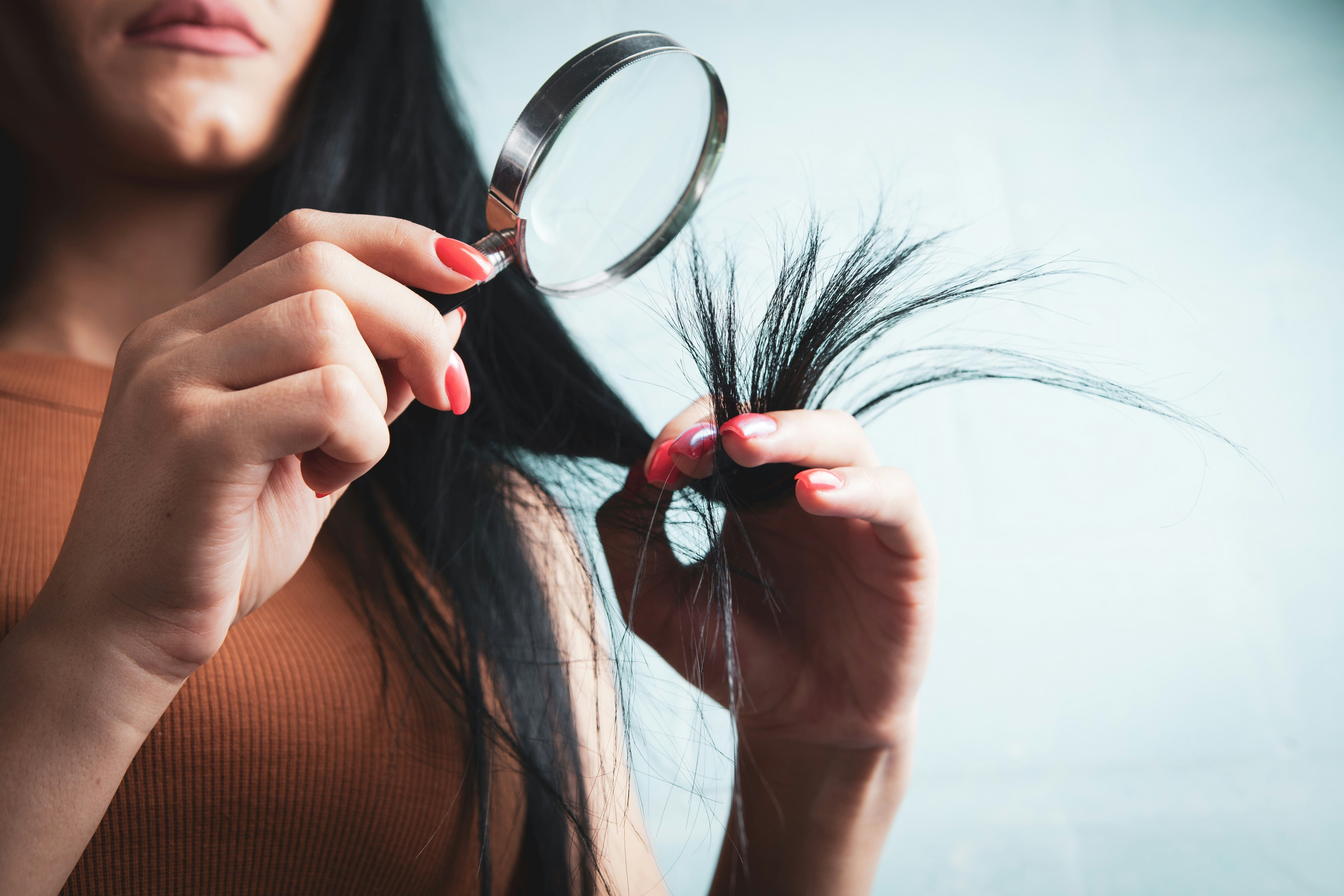
Causes of hair loss: main factors
The causes of hair loss (alopecia) vary, but they can be divided into several broad groups. The main causes are:
- Stress and physiological stress (high temperature, surgery, childbirth, sudden weight loss)
- Genetic predisposition
- Deficiency of iron and other microelements, especially with heavy menstruation or an unbalanced diet
- Thyroid diseases (hypothyroidism, hyperthyroidism)
- Autoimmune processes
- Mechanical damage
Depending on the cause, there are several forms of alopecia. Each has its own course and treatment approach:
- Telogen effluvium is a reaction to stress or physiological stress. Profuse hair loss begins 2–3 months after the triggering event and is especially intense during this period because the hairs being lost are already weakened.
- Androgenetic alopecia is a genetically determined thinning of hair. In women, it manifests as a generalized loss of hair density across the entire scalp, rather than complete baldness in patches, as often occurs in men.
- Alopecia areata is an autoimmune process in which hair falls out in localized patches, sometimes quite abruptly and without obvious warning signs.
- Traction alopecia is the result of mechanical damage: tight hairstyles and regular tension on the hair, especially if this stress continues for years.
Yulia Grekova, dermatologist-trichologist at Kandinsky Clinic:
«Patients often ask why their hair started falling out now. Many panic, thinking it's terrible and irreversible—but in most cases, the situation isn't that critical and is completely reversible. The key is to see a doctor promptly and follow the steps: get tested, find the cause, and choose the right treatment.».
Seasonal hair loss: myth or reality
Many people notice that their hair begins to fall out more in the fall or spring. There's little scientific evidence for a seasonal cycle, but some studies suggest slight fluctuations related to daylight hours.
Thus, a retrospective study involving 823 women who complained of hair loss showed that the maximum proportion of hair in the shedding phase (telogen) can be observed in the summer, with a less pronounced second peak in the spring.
If hair loss is truly seasonal and moderate, it usually does not require special treatment - observation is sufficient.
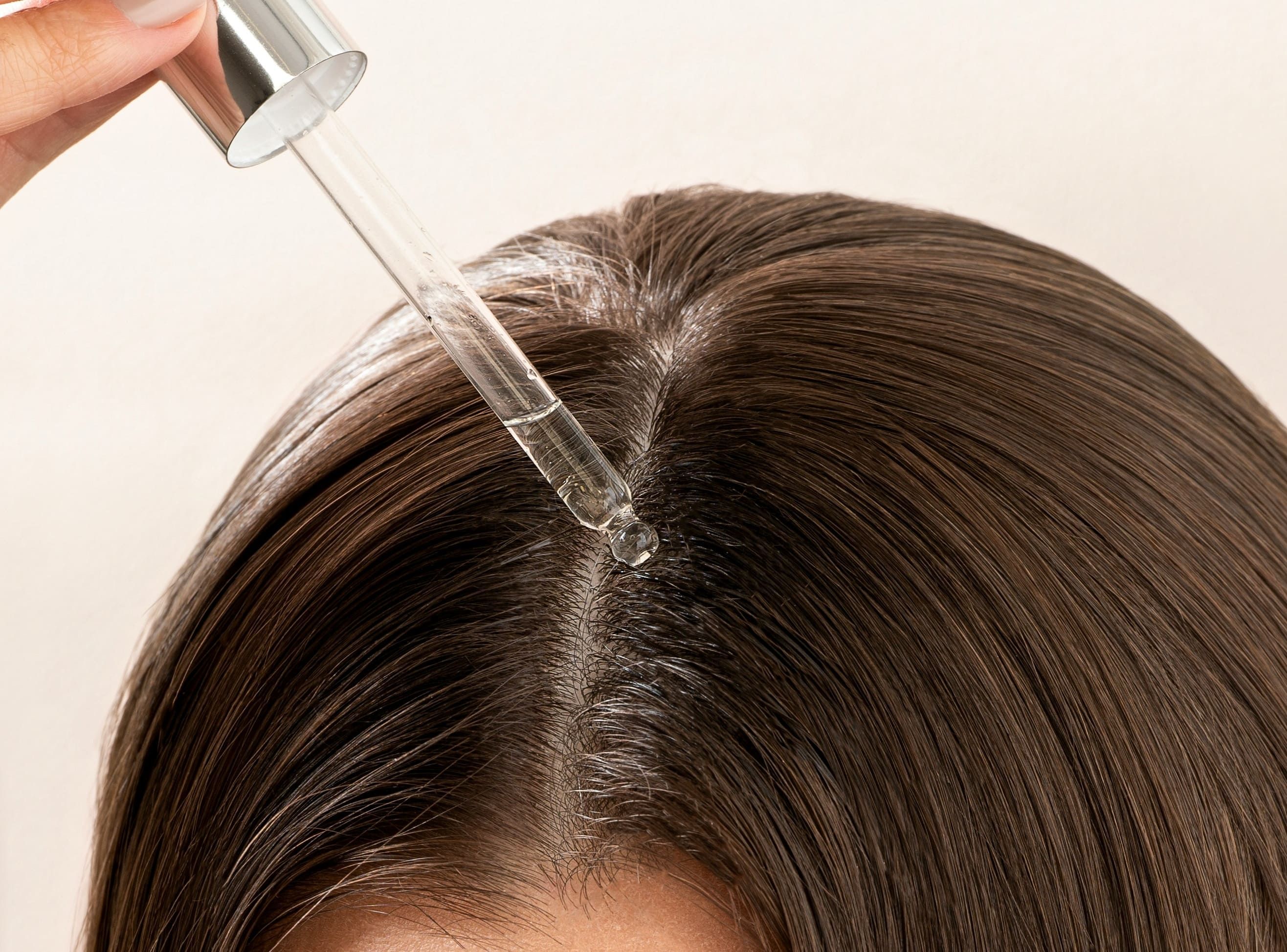
Hair Loss in Dubai: Local Triggers
In Dubai, several additional factors can influence hair health:
- Hard water - high mineral content makes hair drier and more brittle, which can increase hair loss when washing and combing
- Intense sun - ultraviolet rays damage the hair structure and scalp, especially when left outdoors for long periods without protection
- Air conditioning - Constantly running air conditioners can dry out your scalp, which can worsen existing problems.
- Vitamin D deficiency - Despite the abundance of sunshine, Dubai residents spend a lot of time indoors, which paradoxically leads to a deficiency of vitamin D, which is important for healthy hair follicles.
None of these factors are usually the primary cause of significant scalp hair loss, but they can aggravate the underlying conditions described above.
How are the causes of hair loss diagnosed?
The source of the problem is determined at a trichologist’s appointment using several methods:
- Trichoscopy is a magnified examination of the scalp and hair follicles.
- Blood tests - iron levels, ferritin, thyroid hormones, vitamin D
- Hair stretch test - assessing hair loss activity
- Phototrichogram - counting hairs in different growth phases, including the proportion of hairs that have already fallen out and those that are growing
What to do if your hair is falling out excessively
If your hair starts to fall out more than usual, you should take steps in order, without suddenly resorting to aggressive methods:
- Don't panic - hair loss is often temporary and reversible.
- consult a trichologist to understand the cause, not treat the symptom
- take basic tests
- Review your diet—sufficient protein and trace elements are important for hair growth; if necessary, consult a nutritionist.
Possible treatment methods
Possible treatment approaches depend on the cause: correction of vitamin and mineral deficiencies, PRP therapy to stimulate hair growth, topical medications, and, in the case of androgenetic alopecia, specific therapy that stops its progression.
In some cases, doctors also recommend scalp mesotherapy, which helps improve follicle nutrition.
Determining the exact cause of hair loss on your own is difficult. Too many similar symptoms can be associated with different forms of alopecia. That's why it's important to consult a specialist who can provide an accurate diagnosis.
Hair loss prevention
Prevention involves a few simple habits: a balanced diet with sufficient protein, iron, and B vitamins, careful hair care (minimum tight hairstyles and harsh heat tools), timely treatment of chronic diseases, and regular preventive examinations by a trichologist—especially if there are previous cases of severe alopecia in the family.
Hair loss treatment at Kandinsky Clinic
At the Kandinsky Clinic, dermatologist and trichologist Yulia Grekova, a doctor of medical sciences with 30 years of experience, conducts consultations. She conducts a full diagnosis and develops a personalized treatment program based on the cause of hair loss.
One of the effective methods used at the clinic is PRP therapy (plasmolifting). Platelet-rich plasma is extracted from a small amount of the patient's blood in the clinic's in-house laboratory in 10 minutes and then injected into the scalp.
The procedure improves blood flow to the follicles, strengthens them, and reduces hair loss—after just 3-4 sessions, hair becomes noticeably thicker and stronger. The method is safe because it utilizes the body's own resources.
Learn more about trichology at the Kandinsky Clinic in Dubai on our website.
Registration is available via WhatsApp +971555660877 or by calling the clinic +97145631200.
Sources
- Kunz M., Seifert B., Trüeb R.M. Seasonality of hair shedding in healthy women complaining of hair loss. Dermatology, 2009
- Wang R., Lin J., Liu Q., et al. Micronutrients and Androgenetic Alopecia: A Systematic Review. Mol Nutr Food Res, 2024
- Oiwoh S.O., Enitan A.O., Adegbosin O.T., et al. Androgenetic Alopecia: A Review. Niger Postgrad Med J, 2024
- Popa A., Carsote M., Cretoiu D., et al. Study of the Thyroid Profile of Patients with Alopecia. J Clin Med, 2023
Author: Yulia Grekova, dermatologist-trichologist at Kandinsky Clinic (DHA License: No. 28165607-001) Medical editor: Olga Polikina, chief physician of the Kandinsky Clinic, candidate of medical sciences (DHA License: No. 08705887-001) Disclaimer: The information in this article does not constitute medical advice. For any questions regarding your condition, please consult your doctor.