Postpartum Urinary Incontinence: Why It Happens and What to Do

Postpartum pelvic floor recovery is a topic that women often hesitate to talk about. However, during the first three months after childbirth, one in three women experiences involuntary urine leakage, for example when coughing, sneezing, or exercising.
Most women do not seek help. However, urinary incontinence is not something you simply have to accept as a normal part of postpartum recovery. It can be a sign that the pelvic floor muscles need support to regain their function.

What is the pelvic floor and why is it affected after childbirth?
The pelvic floor is a group of muscles in the pelvis that supports the uterus, bladder, bowel, and vagina. During pregnancy, these muscles are placed under significant strain due to the increasing weight of the fetus. During vaginal delivery, the pelvic floor muscles stretch and may sometimes be injured.
According to a prospective cohort study, even 12 months after vaginal delivery, the pelvic floor muscles of first-time mothers may not have fully recovered, with muscle strength showing a 7.5% decrease compared with measurements taken during mid-pregnancy.
Why does urinary incontinence occur?
There are two main types of postpartum urinary incontinence.
The most common is stress urinary incontinence, when urine leaks as a result of increased pressure in the abdomen, for example when coughing, sneezing, laughing, jumping, or sometimes during sexual intercourse. The main cause is weakening of the pelvic floor muscles and vaginal walls, which become less effective at supporting the bladder.
Urge urinary incontinence occurs when urine leaks immediately after a sudden urge to urinate. A woman may be unable to hold her urine even when the urge is relatively mild. In this case, the cause is different: an overactive bladder, involving involuntary contractions of the bladder muscle that occur independently of physical exertion.
Both types of urinary incontinence can be successfully treated, but the approach to recovery differs. That is why it is important to identify the underlying cause together with a doctor.
Vaginal delivery vs. C-section: is there a difference?
The risk of pelvic floor weakness is higher after vaginal delivery because the muscles are subjected to mechanical stretching. This is particularly relevant in cases of prolonged labor, a large baby, or perineal tears.
Cesarean section reduces the risk of pelvic floor weakness compared with vaginal delivery. The pelvic floor muscles are less affected by a C-section, as the procedure itself does not directly involve these muscles. However, pregnancy itself places considerable strain on the pelvic floor, so working with a physiotherapist can be beneficial as part of postpartum recovery regardless of the mode of delivery.
When should you start pelvic floor recovery?
Pelvic floor recovery can begin with gentle exercises after childbirth if there are no contraindications. The sooner you start, the better the chances of restoring muscle function and preventing long-term problems.
After an uncomplicated vaginal delivery, basic exercises can usually be started within 24–48 hours. After a C-section or if there are stitches, exercises should be started after consulting a doctor, usually around 6–8 weeks postpartum.
Tatyana Sinkevich, physiotherapist and rehabilitation specialist at Kandinsky Clinic:
“Many women think that urinary incontinence after childbirth is a normal part of the process and that it will simply go away. Sometimes it does, but not always. If symptoms have not improved after 6–8 weeks, this is a reason to see a specialist. The earlier you start working on your pelvic floor, the faster and better the results are likely to be.”
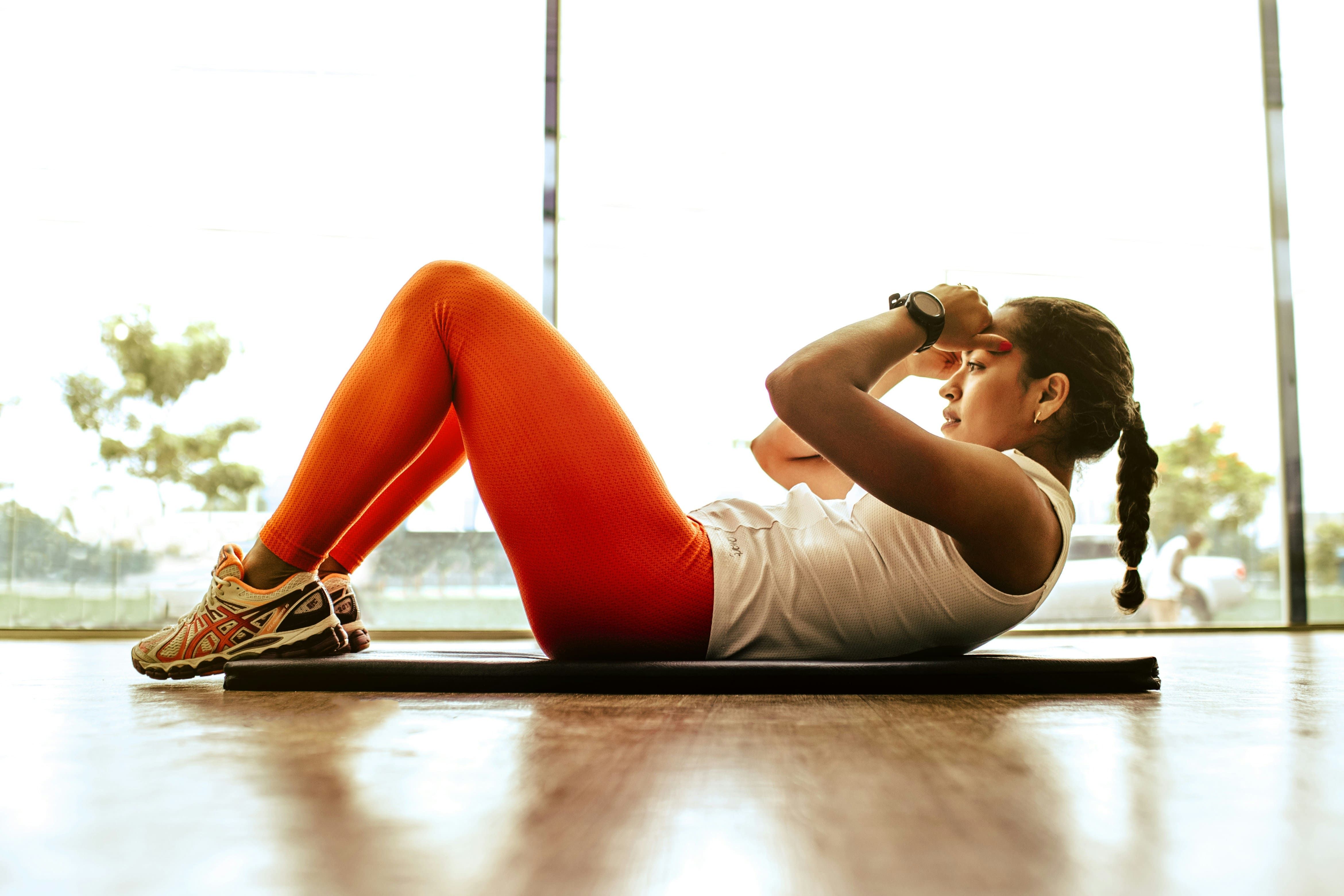
Do Kegel exercises work?
Kegel exercises are one of the best-known methods of postpartum pelvic floor recovery, and they can indeed help. However, there is an important point: without proper technique, they may be less effective than commonly believed.
Breathing is particularly important. The pelvic floor muscles should be contracted while exhaling and relaxed while inhaling. Performing the exercise incorrectly or holding your breath can reduce its effectiveness and place an inappropriate load on the muscles.
This is why a physiotherapist can be useful not only when symptoms are significant, but also for teaching the correct technique. A systematic review of randomized clinical trials confirms that pelvic floor muscle training reduces the risk of postpartum urinary incontinence and improves quality of life, particularly when performed under professional supervision.
How is postpartum urinary incontinence different from cystitis?
The symptoms can sometimes be confused. Both urinary incontinence and cystitis can cause discomfort associated with urination.
The key difference is that cystitis is typically accompanied by burning, pain, and frequent urination, whereas urinary incontinence involves involuntary urine leakage without a burning sensation. If you suspect cystitis, you should consult a doctor because the treatment is fundamentally different.
When should you see a specialist?
You should consult a physiotherapist or gynecologist if:
- urinary incontinence persists more than 6–8 weeks after childbirth;
- symptoms become worse or new symptoms appear;
- you experience a feeling of heaviness or pressure in the vagina;
- sexual intercourse remains painful after postpartum recovery;
- symptoms interfere with your everyday life.
Postpartum recovery at Kandinsky Clinic
At Kandinsky Clinic, pelvic floor recovery after childbirth is provided by Tatyana Sinkevich, a physiotherapist and rehabilitation specialist with 11 years of experience. She specializes in pre- and postnatal pelvic floor rehabilitation and is a member of the International Continence Society (ICS).
The specialist performs an individual assessment of the pelvic floor muscles and develops a personalized exercise program. When necessary, the program may also include physiotherapy techniques and pelvic floor muscle massage. This can help restore muscle tone and function more effectively than exercising independently.
New mothers may also benefit from learning about nutrition, which is another important aspect of postpartum recovery.
You can book an appointment with a gynecologist in Dubai or with a physiotherapist via WhatsApp at +971 55 566 0877 or by calling the clinic at +971 4 563 1200.
Sources:
- Stær-Jensen J, et al. Pelvic floor recovery after childbirth. Obstet Gynecol, 2015. PMID: 25730212
- Abdelmahmoud EA, et al. Effectiveness of Pelvic Floor Muscle Training in Preventing Urinary Incontinence After Vaginal Delivery: A Systematic Review. Cureus, 2025
- Thom DH, Rortveit G. Prevalence of postpartum urinary incontinence: a systematic review. Acta Obstet Gynecol Scand, 2010
Disclaimer: This material is intended for educational purposes only and does not replace an in-person medical consultation. Decisions regarding diagnosis and treatment should be made together with a qualified healthcare professional.