What a fitness tracker can tell you about your health: a neurologist's opinion

The 21st century has given us many technologies that help us take better care of our own health. Fitness trackers have become one of the most useful: watches, bracelets and rings that collect daily data on the body's work. We have already talked in detail about the capabilities of modern smart and wellness devices now let's figure out which indicators are really worth paying attention to.
I use fitness tracker data not only in everyday life, but also in clinical practice. From my experience, I can say that when a doctor relies not only on the patient's subjective feelings, but also on objective indicators, the conversation becomes much more substantive, and the assessment of the condition is more accurate.
Let's look at which tracker features are really worth keeping in mind, and why.
Activity, steps, and goals
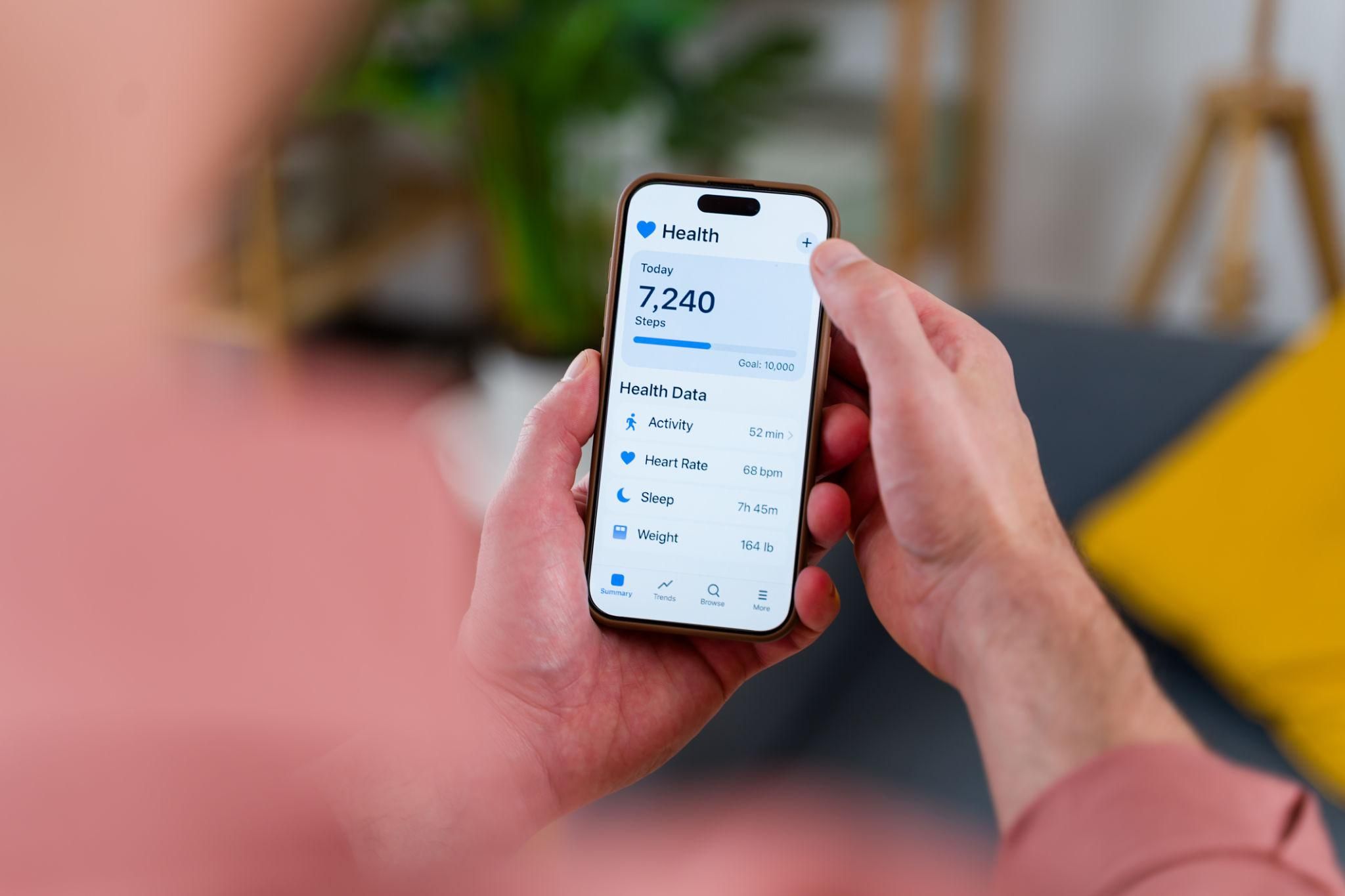
The basic function — taking into account steps, kilometers and activity time — helps to understand whether there is enough exercise during the day. In the app, you can select almost any type of activity, set goals, and adjust them as you progress. And closing the "rings" of activity and achievement work as a simple and pleasant reinforcement of a habit — it's not so much a game as a way to tune in to regularity.
Heart: pulse, rhythm and ECG
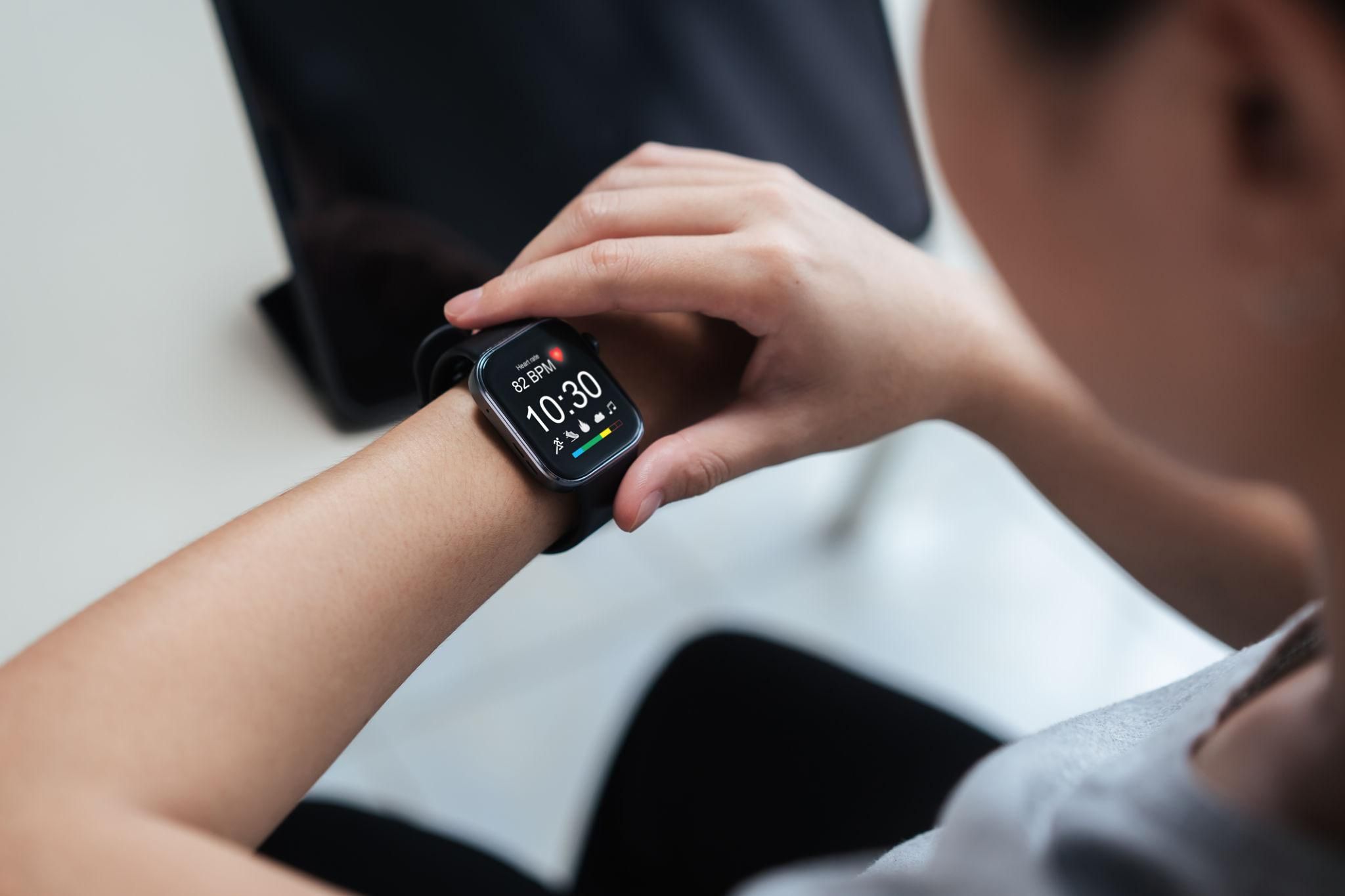
One of the most valuable data blocks for me as a neurologist is heart rate, rhythm, pulse recovery characteristics and its variability at rest, during exercise and during sleep.
For me, this is primarily a question. stroke prevention. For people with suspected arrhythmia or with an already established diagnosis, such as paroxysmal atrial fibrillation, timely detection of the episode and subsequent treatment correction help reduce the risk of stroke and other cardioembolic complications. When symptoms appear, the watch allows you to record an electrocardiogram and, if necessary, send it to your doctor. I advise you to set up notifications about high heart rate and signs of atrial fibrillation in advance so as not to miss an episode.
Respiration, saturation, and endurance
Respiratory rate, oxygen saturation, and cardiorespiratory endurance index— that is, the maximum amount of oxygen that the body is able to consume and process under stress — are calculated based on pulse, saturation, and activity data. These indicators provide an additional guideline on how well the body copes with stress.
Gait and recovery from injury and stroke
As a neurologist, I appreciate the fact that the tracker evaluates not only the amount of movement, but also its quality: walking symmetry, time of double support, step length. This is not an idle curiosity — such data is useful in assessing the effectiveness of rehabilitation after stroke and other motor disorders, helps to track the dynamics of recovery and discuss it with a doctor in detail.
Digital Hygiene: Screen time and hearing
The gadget can also be used to reduce the harm from itself. Screen time and the number of phone unlocks during the day show how much time is actually spent on social media. A separate function evaluates the hearing load from the headphones.
Sleep
As a neurologist, I regularly use assessments of sleep quality, phases, and duration. These data help to understand the pattern of sleep disorders and assess its dynamics during treatment. If a person closes the activity rings during the day, there are usually no problems with sleep, but for a patient with complaints, these figures give me additional support to talk at the reception.
Mindfulness and mental health
If the tracker syncs with meditation apps, the time spent in mindfulness tracking feature also becomes useful. Mindfulness practices help reduce anxiety, improve sleep, and can be part of a comprehensive therapy for certain chronic neurological conditions. The ability to track the regularity of such activities increases the likelihood that they will actually become a habit.
Women's Health: cycle and ovulation
The menstrual cycle tracking function predicts the dates of ovulation and menstruation and shows the result in a convenient calendar. This makes it much easier to talk at a gynecologist's appointment and when planning pregnancy, and in case of deviations it may be a reason to consult a doctor in a timely manner rather than postponing the visit.
Safety for the elderly and those who live alone
Sending a signal about a fall or cardiac arrest to trusted persons is a function that may seem frightening, but that is why it is especially useful for the elderly and lonely people: relatives get the opportunity to be calm for their loved ones, even from a distance. For me, as a neurologist who often works with patients after falls and strokes, this function seems to be one of the most important.
What does this mean for the doctor and the patient
All these data together help me, as a doctor, to notice certain diseases and adverse trends at an earlier stage, assess risk factors, and understand how effective the prescribed treatment, physical therapy, or control of the current disease is. And the fitness tracker gives the patient what I consider the most important thing: the opportunity to better understand their body and consciously participate in taking care of their own health.